 admin1
 Soft Skillet Flatbread
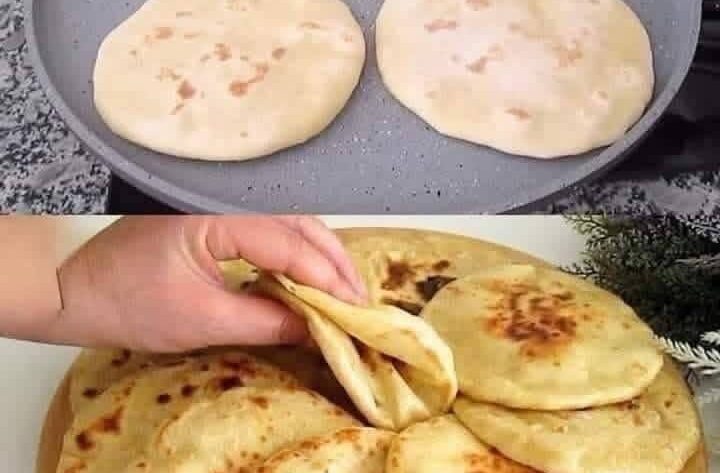
There is something deeply satisfying about making fresh flatbread at home. The dough comes together with simple pantry ingredients, requires very little effort, and cooks in just a few minutes on the stovetop. Unlike oven-baked breads that require careful temperature control, skillet flatbread is forgiving and beginner-friendly. The result is a soft, tender bread with beautiful golden brown spots, a chewy yet fluffy texture, and a flavor that pairs well with almost any meal.
Soft skillet flatbread has been enjoyed in different cultures for centuries. While every region has its own variation, the basic idea remains the same: mix flour with water, add a little fat and salt, allow the dough to rest, then cook it directly on a hot skillet. This simple process creates bread that is perfect for breakfast, lunch, dinner, or even snacks.
One of the greatest advantages of this recipe is its versatility. You can serve the flatbread alongside curries, soups, grilled meats, roasted vegetables, creamy dips, or fresh salads. It can also be transformed into wraps, sandwiches, breakfast rolls, homemade pizzas, or even sweet treats by spreading butter, honey, or jam over the warm bread.
Unlike store-bought flatbreads, homemade versions contain no unnecessary preservatives or artificial ingredients. Every ingredient contributes to the flavor and texture, making each bite fresh and wholesome. Since the dough is prepared from scratch, you can easily adjust the thickness, size, and softness according to your preference.
The secret to exceptionally soft flatbread lies in the dough. Proper hydration, enough resting time, and gentle kneading all work together to develop gluten, which gives the bread elasticity without making it tough. A little oil in the dough keeps the bread tender even after it cools, while cooking over medium-high heat creates the signature golden spots without drying the bread.
Another reason this recipe is so popular is that it requires only a few basic ingredients that most kitchens already have. Flour forms the structure of the bread, salt enhances flavor, baking powder provides a little lift, warm water hydrates the dough, and oil adds richness. Despite this short ingredient list, the finished bread tastes wonderfully homemade and comforting.
Preparing the dough is surprisingly simple. The dry ingredients are first combined so the salt and baking powder are evenly distributed throughout the flour. Warm water is gradually mixed in until a shaggy dough begins to form. Oil is then incorporated, making the dough smooth and easy to handle. Kneading for several minutes develops elasticity, creating a dough that stretches easily without tearing.
Resting the dough is an important step that should never be rushed. During this time, the gluten relaxes and the flour fully absorbs the moisture. This makes rolling easier and results in flatbreads that remain soft instead of shrinking back while cooking.
Once rested, the dough is divided into equal portions. Rolling each piece evenly helps ensure consistent cooking. Some people prefer thin flatbreads for wraps, while others enjoy slightly thicker rounds that are soft and fluffy enough to scoop up hearty stews. Both styles work beautifully with this recipe.
A heavy skillet or cast-iron pan is ideal because it distributes heat evenly. The pan should be thoroughly heated before the first flatbread goes in. If the skillet is too cool, the bread may become dry before it develops color. If it is too hot, the outside may burn before the inside cooks completely. Medium-high heat usually provides the perfect balance.
As the flatbread cooks, bubbles begin to appear across the surface. These bubbles are a sign that steam is forming inside the dough, creating a light and tender texture. Once the underside develops golden brown spots, the bread is flipped and cooked on the second side. Occasionally, gentle pressure with a spatula encourages additional puffing.
The aroma during cooking is one of the best parts of making homemade flatbread. Warm flour, toasted edges, and lightly browned surfaces fill the kitchen with an inviting smell that signals fresh bread is only moments away.
Brushing the cooked flatbreads lightly with melted butter or olive oil immediately after cooking helps lock in moisture and gives them a beautiful sheen. Stacking the breads under a clean kitchen towel also traps steam, keeping every piece soft until serving.
These flatbreads are incredibly adaptable. Fresh herbs such as parsley, cilantro, dill, or chives can be mixed into the dough for extra flavor. Garlic powder, onion powder, smoked paprika, cumin, or Italian seasoning also create delicious variations without changing the cooking method.
Whole wheat flour can replace part of the all-purpose flour for a heartier texture and nuttier flavor. Greek yogurt can also be added to produce an even softer bread with a subtle tang. Small amounts of shredded cheese or finely chopped herbs may be folded into the dough before resting for a more flavorful version.
Freshly cooked flatbread is delicious served with hummus, baba ganoush, tzatziki, garlic butter, cream cheese, or flavored olive oil. It also pairs beautifully with chicken curry, beef stew, lentil soup, vegetable curry, grilled lamb, roasted chicken, kebabs, or sautéed vegetables.
For breakfast, warm flatbread filled with scrambled eggs, cheese, spinach, and tomatoes creates a hearty morning meal. At lunch, it becomes an excellent wrap for grilled chicken, fresh vegetables, and creamy sauces. Dinner is equally simple when served alongside soups or rich curries.
The bread also works wonderfully for entertaining. Arrange a basket of warm flatbreads alongside bowls of dips, roasted vegetables, marinated olives, cheeses, and grilled meats for a casual meal that encourages sharing.
Storage is simple. Once completely cooled, stack the flatbreads with parchment paper between each layer and place them in an airtight container or resealable bag. They remain soft at room temperature for up to two days and in the refrigerator for about five days.
For longer storage, freeze individual flatbreads separated by parchment paper. They can be reheated directly from frozen in a warm skillet or wrapped in foil and gently heated in the oven. A few drops of water sprinkled on the bread before reheating help restore softness.
Avoid overcooking the bread, as this can make it dry and firm. The goal is a lightly browned surface with flexible, soft interiors. Keeping the finished breads covered while the remaining dough cooks also prevents moisture loss.
If your dough feels sticky, dust it lightly with flour while rolling, but avoid adding too much extra flour, as this can create dense flatbread. Conversely, if the dough feels dry, knead in a teaspoon of warm water until it becomes smooth and pliable.
Uniform thickness is another important factor. Rolling the dough evenly prevents some areas from overcooking while others remain undercooked. Gentle, even pressure with the rolling pin produces the best results.
One of the joys of this recipe is its consistency. With just a little practice, every batch becomes easier than the last. Soon you’ll be able to prepare warm, homemade flatbread in less time than it takes to visit the grocery store.
Whether served fresh off the skillet with butter, wrapped around grilled vegetables, dipped into creamy hummus, or paired with your favorite homemade curry, this soft skillet flatbread delivers comforting flavor and wonderful texture every time. Its simplicity, versatility, and reliable results make it a recipe worth keeping in regular rotation for everyday meals as well as special family gatherings.
Ingredients
- 3 cups all-purpose flour
- 1 teaspoon salt
- 2 teaspoons baking powder
- 2 tablespoons olive oil or vegetable oil
- 1 cup warm water, plus more if needed
- Melted butter or olive oil for brushing after cooking (optional)
Instructions
In a large mixing bowl, whisk together the flour, salt, and baking powder until evenly combined.
Pour in the olive oil and gradually add the warm water while stirring with a spoon or your hands until the dough begins to come together.
Transfer the dough to a lightly floured surface and knead for about 8 to 10 minutes until smooth, soft, and elastic. If the dough feels dry, add a teaspoon of warm water at a time. If it feels sticky, sprinkle with a small amount of flour.
Place the dough in a lightly oiled bowl, cover with a clean towel, and let it rest for 30 minutes.
Divide the rested dough into 8 equal portions and shape each into a smooth ball.
Roll each dough ball into a circle about 7 to 8 inches wide, keeping the thickness even.
Heat a heavy skillet or cast-iron pan over medium-high heat until thoroughly hot.
Place one rolled flatbread onto the dry skillet. Cook for about 1 to 2 minutes until bubbles appear and golden brown spots develop.
Flip the flatbread and cook the second side for another 1 to 2 minutes until fully cooked with beautiful golden patches.
Transfer the cooked flatbread to a plate and immediately brush lightly with melted butter or olive oil if desired.
Cover the cooked flatbreads with a clean kitchen towel while cooking the remaining dough to keep them soft.
Serve warm with your favorite dips, curries, grilled meats, soups, salads, or sandwich fillings.
Helpful Tips
Use warm water rather than cold water to create a softer dough.
Allow the dough to rest fully before rolling.
Do not overcrowd the skillet.
Keep finished flatbreads covered while cooking the remaining batches.
Reheat leftover flatbread in a dry skillet for the best texture.
Storage
Store at room temperature in an airtight container for up to 2 days.
Refrigerate for up to 5 days.
Freeze for up to 3 months with parchment paper between each flatbread.
Reheat in a warm skillet or oven until soft and heated through.
Serving Suggestions
Serve with hummus, garlic butter, tzatziki, curries, grilled chicken, roasted vegetables, soups, stews, kebabs, breakfast eggs, or use as wraps and sandwiches. Warm flatbread also tastes wonderful with honey, butter, fruit preserves, or cinnamon sugar for a simple sweet treat.