 admin1
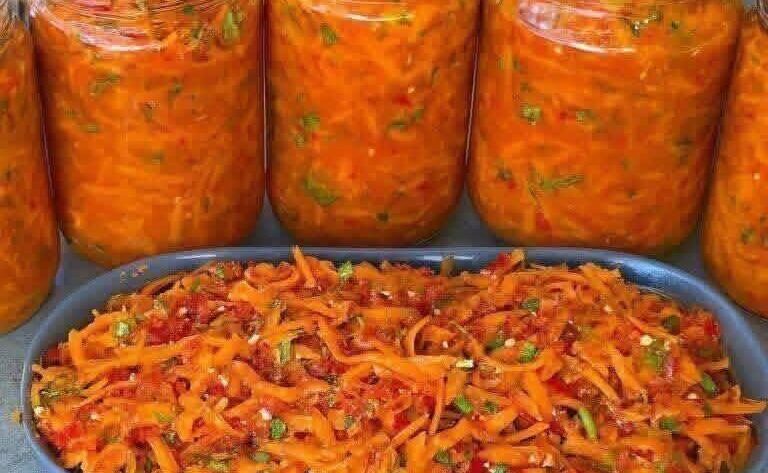
 Pickled carrots are a simple preserved vegetable made by soaking fresh carrots in a flavored acidic brine so they become tangy, crunchy, and long-lasting. They can be quick-pickled for refrigerator storage or fermented for a more complex, probiotic-rich flavor. This recipe focuses on a classic vinegar-based version that is easy, reliable, and highly customizable while keeping excellent texture and taste.
To begin, select fresh, firm carrots because quality matters a lot in pickling. Younger carrots tend to be sweeter and more tender, while mature ones give a stronger crunch. Wash them thoroughly to remove any soil, then peel if you prefer a smoother texture, although peeling is optional. Cut them into your preferred shape depending on how you plan to use them later. You can slice them into thin rounds for salads, cut them into sticks for snacking, or even julienne them for sandwiches and wraps. Keeping sizes uniform helps them pickle evenly.
The pickling liquid, often called brine, is what transforms plain carrots into pickled carrots. A standard brine uses a balance of acidity, saltiness, sweetness, and aromatics. The acid usually comes from vinegar, which provides both preservation and the sharp tangy flavor. You can use white vinegar for a clean sharp taste, apple cider vinegar for a slightly fruity note, or a mix of both for balance. To this, you add water to soften the intensity of the vinegar, and then salt made from salt to enhance flavor and assist preservation. Sugar is often included in small amounts to round out the acidity, but it is optional depending on your taste preference.
To build the brine, combine vinegar, water, salt, and sugar in a pot and heat it gently just until everything dissolves. Heating is not about cooking the carrots but about fully integrating the flavors so the brine is stable and evenly seasoned. Once dissolved, allow the mixture to cool slightly before pouring it over the carrots. If you pour boiling hot liquid over carrots, they may soften too quickly and lose the crisp texture that makes pickled carrots so enjoyable.
Before adding the brine, prepare flavoring ingredients that will infuse the carrots. Common additions include garlic cloves, black peppercorns, mustard seeds, coriander seeds, dried chili flakes, dill, or bay leaves. These aromatics are placed in the jar first so that they sit between the carrots and the brine and slowly release flavor over time. The combination can be adjusted depending on whether you prefer spicy, herbal, or mildly sweet pickles.
Once the carrots and aromatics are ready, pack them tightly into a clean glass jar. Packing them firmly ensures they stay submerged in the brine and do not float, which could lead to uneven pickling. After packing, pour the cooled brine over the carrots until they are completely covered. If any pieces float, gently press them down using a clean spoon or a small fermentation weight to keep everything submerged.
After sealing the jar, let it cool to room temperature if the brine was still warm. Then transfer the jar to the refrigerator for a quick-pickle method. The carrots will begin absorbing flavor within a few hours, but they taste best after at least twenty-four to forty-eight hours. Over time, usually after about a week, the flavor deepens and the texture becomes more evenly seasoned throughout.
If you prefer a fermented version instead of vinegar pickles, the process is slightly different. In that case, you would rely on saltwater brine without vinegar, allowing natural fermentation to occur at room temperature over several days. The flavor becomes more complex, slightly sour, and probiotic-rich, but it requires careful monitoring to ensure safety and proper fermentation conditions.
Pickled carrots are extremely versatile in how they can be used. They can be eaten directly as a crunchy snack, added to salads for brightness, used in sandwiches and burgers to cut through richness, or served alongside grilled meats and rice dishes to add acidity and freshness. Their flavor profile makes them especially useful in balancing heavy or oily foods.
Storage is simple for vinegar-based pickles. As long as the carrots remain fully submerged in brine and the jar is sealed, they can last for several weeks to a couple of months in the refrigerator. Over time they may become softer but will still remain flavorful. Always use a clean utensil when removing carrots from the jar to avoid contamination and extend shelf life.
You can also adjust this recipe in many ways. For a sweeter version, increase sugar slightly. For a spicier kick, add more chili flakes or fresh sliced chilies. For a more aromatic profile, increase garlic or add fresh herbs like dill. If you prefer a sharper taste, reduce water in the brine and use more vinegar. Each adjustment creates a noticeably different style of pickled carrot while keeping the same basic method intact.
Overall, pickling carrots is one of the easiest and most rewarding preservation methods. With just a few basic ingredients and a bit of time, ordinary carrots become a crisp, tangy, and flavorful condiment that can elevate many meals while lasting far longer than fresh vegetables.