 admin1
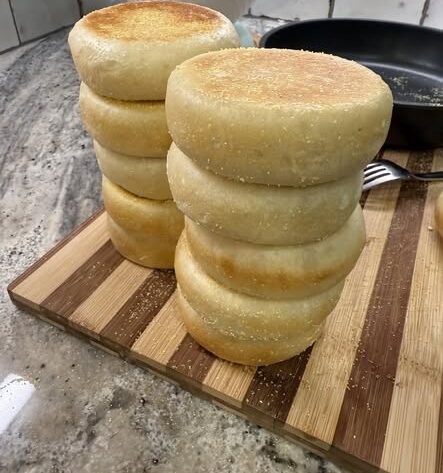
 English muffins are soft, chewy, and wonderfully light bread rounds known for their signature nooks and crannies that hold melted butter, jam, and other delicious toppings. Unlike many bread recipes that are baked entirely in the oven, traditional English muffins are cooked first on a griddle or skillet and then finished until perfectly tender inside. Making homemade English muffins takes a little patience, but the process is straightforward and deeply rewarding. The aroma of freshly cooked bread and the texture of warm, homemade muffins are difficult to match with store-bought versions.
Preparation Time
Preparation time: 30 minutes
Rising time: About 1½ to 2 hours
Cooking time: 20 to 25 minutes
Yield: 10 to 12 English muffins
Ingredients
4 cups all-purpose flour, plus extra for dusting
1 tablespoon granulated sugar
2¼ teaspoons instant yeast
1 teaspoon salt
1¼ cups warm milk
¼ cup warm water
3 tablespoons unsalted butter, melted and slightly cooled
1 large egg
Cornmeal for dusting
Additional butter or oil for greasing the skillet
Equipment Needed
Large mixing bowl
Measuring cups and spoons
Wooden spoon or dough whisk
Rolling pin
Round cutter or drinking glass about 3 inches in diameter
Baking sheet or tray
Parchment paper
Large skillet, griddle, or frying pan
Spatula
Kitchen towel or plastic wrap
Preparing the Dough
In a large mixing bowl, combine the flour, sugar, yeast, and salt. Stir everything together so the ingredients are evenly distributed.
In a separate bowl, whisk together the warm milk, warm water, melted butter, and egg until smooth. The liquid should be warm but not hot. Excessive heat can damage the yeast and prevent the dough from rising properly.
Gradually pour the liquid ingredients into the flour mixture while stirring continuously. The dough will begin to come together and appear slightly sticky.
Transfer the dough onto a lightly floured surface and knead it for about 8 to 10 minutes. During kneading, the dough transforms from rough and shaggy to smooth and elastic. If it sticks excessively, add only a small amount of flour at a time. Avoid adding too much flour because it can make the muffins dense.
The finished dough should feel soft, smooth, and slightly tacky without sticking heavily to your hands.
First Rise
Lightly grease a large bowl with butter or oil. Place the dough inside and turn it once so all sides are lightly coated.
Cover the bowl with a clean kitchen towel or plastic wrap. Set it in a warm, draft-free area and allow it to rise for approximately 1 to 1½ hours or until doubled in size.
The rising stage is essential because it develops flavor and creates the airy texture that makes English muffins special.
Shaping the Muffins
Once the dough has doubled, gently press it down to release excess air.
Place the dough on a lightly floured surface and roll it into a rectangle approximately half an inch thick. Maintaining an even thickness ensures that all the muffins cook at the same rate.
Use a round cutter or glass to cut circles from the dough. Gather the scraps, gently re-roll them, and continue cutting until all the dough has been used.
Sprinkle a baking sheet generously with cornmeal. Place the dough rounds on the prepared sheet and sprinkle additional cornmeal on top of each piece. The cornmeal prevents sticking and gives the muffins their classic appearance and slight crunch on the exterior.
Cover the dough rounds loosely with a towel and allow them to rest for another 30 to 45 minutes. During this second rise, the muffins become puffy and light.
Cooking the English Muffins
Heat a large skillet or griddle over low to medium-low heat. Lightly grease the surface with butter or oil.
Carefully place several muffins into the skillet, leaving enough space between them because they will expand slightly during cooking.
Cook the muffins slowly for approximately 7 to 10 minutes on the first side. They should develop a rich golden-brown color without becoming too dark.
Flip the muffins carefully and cook for another 7 to 10 minutes on the second side. Slow cooking is important because it allows the centers to cook completely while preventing the outside from burning.
If the muffins brown too quickly, reduce the heat immediately.
To ensure complete cooking, the internal temperature should reach approximately 200°F or 93°C. If necessary, transfer the muffins to a 350°F or 175°C oven for a few minutes to finish cooking.
Cooling
Place the cooked English muffins on a wire rack and allow them to cool for at least 20 minutes.
Although it is tempting to cut them immediately, resting helps the interior set properly and improves texture.
For the traditional appearance and texture, avoid slicing with a knife. Instead, insert the tines of a fork around the edge and pull the muffin apart. This method creates the famous nooks and crannies that hold butter and toppings beautifully.
Serving Suggestions
Serve English muffins warm with butter and fruit preserves for breakfast.
Top them with peanut butter and honey for a simple snack.
Use them as the base for breakfast sandwiches with eggs, cheese, and bacon.
Toast them and serve alongside soups and salads.
Spread them with cream cheese and fresh fruit.
Top them with avocado and a poached egg for a satisfying brunch.
Use them to make mini pizzas by adding sauce and cheese before briefly baking.
Storage
Store cooled English muffins in an airtight container at room temperature for up to three days.
For longer storage, place them in freezer bags and freeze for up to three months. Thaw at room temperature and toast before serving.
Tips for Perfect English Muffins
Use fresh yeast for the best rise and flavor.
Do not rush the rising periods because slow fermentation creates a softer texture.
Cook over moderate heat rather than high heat.
Keep the dough slightly soft and avoid adding excessive flour.
Always split the muffins with a fork instead of slicing with a knife.
Allow the muffins to cool properly before storing them.
Homemade English muffins are tender, flavorful, and wonderfully versatile. Their golden crust, soft interior, and distinctive nooks and crannies make them ideal for breakfast, brunch, or a comforting snack at any time of day. Once you make them from scratch, the taste and texture of freshly prepared English muffins are hard to resist and often become a favorite homemade bread recipe.