 admin1
 Caramelized Butternut Squash
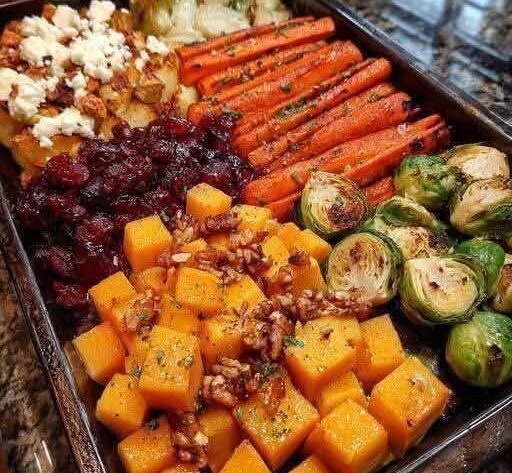
Caramelized Butternut Squash is one of those timeless side dishes that proves simple ingredients can create extraordinary flavor. Naturally sweet butternut squash transforms in the oven as its sugars caramelize, creating beautifully browned edges, a tender buttery interior, and an irresistible aroma that fills the kitchen. The roasting process enhances the squash’s natural sweetness while adding subtle nutty notes, making every bite rich, comforting, and satisfying.
This versatile recipe pairs beautifully with roasted chicken, turkey, beef, pork, salmon, vegetarian mains, or even holiday feasts. It is equally delicious served as a weeknight side dish or featured on a festive table during Thanksgiving, Christmas, or autumn gatherings. The ingredients are simple, yet the finished dish looks elegant enough for entertaining.
One of the greatest advantages of butternut squash is its nutritional value. It is naturally rich in vitamins A and C, potassium, manganese, magnesium, and dietary fiber. The vibrant orange flesh is packed with beta-carotene, an antioxidant that supports eye health, immune function, and healthy skin. Roasting concentrates the flavor without requiring complicated techniques, allowing the vegetable to shine naturally.
The secret to perfectly caramelized squash begins with choosing a ripe butternut squash. Look for one that feels heavy for its size with firm, matte beige skin free from soft spots or deep cuts. A long neck provides more usable flesh and fewer seeds, making preparation easier.
Peeling butternut squash can seem intimidating, but a sharp vegetable peeler makes the task surprisingly manageable. After peeling, slice off both ends, cut the squash in half where the neck meets the bulb, remove the seeds with a spoon, and dice the flesh into evenly sized cubes. Uniform pieces ensure everything cooks at the same rate, preventing some cubes from burning while others remain undercooked.
Keeping the cubes approximately one inch in size provides the ideal balance between creamy interiors and caramelized exteriors. Smaller cubes roast more quickly but may become overly soft, while larger chunks require additional cooking time.
A small amount of olive oil helps conduct heat evenly while encouraging browning. Butter may also be added for richer flavor, but combining olive oil with butter offers the best of both worlds. The oil prevents burning while the butter contributes a luxurious richness.
Brown sugar complements the squash beautifully by deepening its natural sweetness and encouraging even more caramelization. Maple syrup provides another wonderful option, contributing warm earthy sweetness that perfectly suits autumn meals. Either choice creates a gorgeous glossy finish.
Salt is essential even in sweet vegetable dishes. A modest amount balances the sweetness and intensifies the squash’s natural flavor. Freshly ground black pepper adds gentle warmth without overpowering the delicate sweetness.
Ground cinnamon is a classic pairing with butternut squash, adding comforting warmth and fragrance. Nutmeg contributes subtle depth, while a tiny pinch of ground ginger provides gentle spice. These seasonings remain delicate enough to support rather than dominate the squash.
Fresh thyme offers an earthy herbal contrast that keeps the finished dish from becoming overly sweet. Rosemary is another excellent option, especially when serving alongside roasted meats. Sage provides an unmistakable autumn flavor that works wonderfully during holiday dinners.
Garlic adds savory complexity that balances the caramelized sweetness. Whole garlic cloves roast alongside the squash until soft, sweet, and spreadable, while minced garlic creates more pronounced flavor throughout the dish.
The roasting pan should never be overcrowded. Giving the squash cubes enough space allows moisture to evaporate quickly so caramelization can occur. If the cubes are piled together, they will steam instead of roast, resulting in softer pieces with less color.
Turning the squash halfway through cooking ensures even browning on every side. Use a flat spatula to gently flip the cubes without breaking them apart. As they roast, their edges gradually become deep golden brown while the interiors become creamy and tender.
Proper roasting temperature plays an important role. A hot oven develops caramelization without drying out the squash. High heat encourages natural sugars to brown while maintaining a smooth, velvety texture inside.
Toward the end of roasting, the kitchen fills with the comforting aroma of roasted vegetables, butter, warm spices, and herbs. The squash develops beautifully browned edges that provide slightly crisp bites contrasting with the soft interior.
If serving this recipe for the holidays, toasted pecans or walnuts add wonderful crunch. Their rich nutty flavor complements the caramelized squash perfectly while adding visual appeal.
Dried cranberries contribute bursts of tart sweetness that contrast beautifully with the roasted squash. Pomegranate seeds offer fresh juiciness and vibrant color, making the finished dish especially attractive on festive tables.
Fresh parsley brightens the final presentation with vibrant color and subtle freshness. Chopped chives also work well, particularly if the squash accompanies savory main dishes.
A sprinkle of grated Parmesan creates a delicious savory twist. The cheese melts slightly over the warm squash, adding richness and a subtle salty finish.
Goat cheese provides creamy tanginess that beautifully balances the sweetness. Crumbled feta offers another excellent choice, especially for Mediterranean-inspired meals.
For a gourmet presentation, finish the roasted squash with a light drizzle of balsamic glaze. Its sweet acidity highlights the caramelized flavors while adding an elegant appearance.
Leftover caramelized butternut squash stores exceptionally well in the refrigerator and can be transformed into many different meals. Add it to grain bowls with quinoa or farro, toss it into salads with spinach and cranberries, stir it into creamy risotto, blend it into soups, fold it into pasta dishes, or use it as a filling for wraps and sandwiches.
It also works beautifully as a pizza topping alongside caramelized onions, goat cheese, spinach, and walnuts. The roasted sweetness creates an unexpected but delicious contrast with savory ingredients.
For breakfast, leftover squash can be served alongside eggs, folded into breakfast hash, or mixed into oatmeal with cinnamon and maple syrup for a nutritious start to the day.
Meal prep enthusiasts appreciate this recipe because it reheats exceptionally well. Warm leftovers in a hot oven rather than a microwave whenever possible to restore lightly crisp edges while maintaining the creamy interior.
This dish naturally fits into many dietary lifestyles. It is vegetarian, gluten-free, and can easily become vegan by using olive oil instead of butter. It is packed with nutrients while remaining comforting and satisfying enough for everyday meals.
Although simple, caramelized butternut squash delivers impressive flavor through careful roasting and balanced seasoning. Every bite offers tender creamy flesh surrounded by beautifully browned edges that highlight the vegetable’s natural sweetness. Whether served for a casual family dinner or an elegant holiday celebration, this recipe consistently earns compliments and quickly becomes a favorite.
Preparation Time
Preparation Time: 15 minutes
Cooking Time: 35–45 minutes
Total Time: 50–60 minutes
Servings: 6
Ingredients
1 medium butternut squash, peeled, seeded, and cut into 1-inch cubes
2 tablespoons olive oil
1 tablespoon melted butter
2 tablespoons brown sugar or pure maple syrup
1 teaspoon kosher salt
½ teaspoon freshly ground black pepper
1 teaspoon ground cinnamon
¼ teaspoon ground nutmeg
¼ teaspoon ground ginger (optional)
2 cloves garlic, minced
1 teaspoon fresh thyme leaves
1 tablespoon chopped fresh parsley for garnish
Optional toppings:
Toasted pecans
Toasted walnuts
Dried cranberries
Crumbled goat cheese
Crumbled feta cheese
Grated Parmesan
Balsamic glaze
Instructions
Preheat the oven to 425°F (220°C). Line a large baking sheet with parchment paper or lightly grease it.
Peel the butternut squash, remove the seeds, and cut it into evenly sized one-inch cubes.
Place the squash cubes into a large mixing bowl.
Add the olive oil, melted butter, brown sugar or maple syrup, salt, black pepper, cinnamon, nutmeg, ginger, garlic, and thyme.
Mix thoroughly until every cube is evenly coated.
Spread the squash into a single layer on the prepared baking sheet, leaving a little space between the pieces.
Roast for 20 minutes.
Remove the tray from the oven and gently turn each cube using a spatula.
Return the tray to the oven and roast for another 15 to 25 minutes until the squash is deeply caramelized, golden brown around the edges, and fork tender.
Taste and adjust seasoning if necessary.
Transfer the squash to a serving dish.
Garnish with fresh parsley and any optional toppings you enjoy.
Serve immediately while warm.
Serving Suggestions
Serve alongside roast chicken, grilled steak, baked salmon, pork tenderloin, or turkey.
Pair with quinoa, wild rice, couscous, or mashed potatoes.
Add to fresh spinach salads with pecans and cranberries.
Use as a topping for grain bowls or roasted vegetable platters.
Serve with holiday meals for Thanksgiving, Christmas, or family celebrations.
Storage
Allow the squash to cool completely before storing.
Refrigerate in an airtight container for up to 4 days.
Freeze for up to 3 months in freezer-safe containers.
Thaw overnight in the refrigerator before reheating.
Reheating
Reheat in a 375°F (190°C) oven for 10–15 minutes until hot.
Alternatively, warm gently in a skillet over medium heat with a small amount of butter or olive oil.
Microwave in short intervals if needed, although the edges will be softer.
Tips for Success
Cut the squash into evenly sized cubes for uniform cooking.
Do not overcrowd the baking tray.
Roast at high heat for maximum caramelization.
Turn the squash halfway through cooking.
Season generously to balance the natural sweetness.
Serve immediately for the best texture and flavor.
Fresh herbs added after roasting provide the brightest finish.
Choose a ripe, heavy squash with firm skin for the sweetest results.
A combination of olive oil and butter creates excellent flavor while preventing burning.
Allow enough roasting time for rich golden-brown caramelization rather than rushing the cooking process.