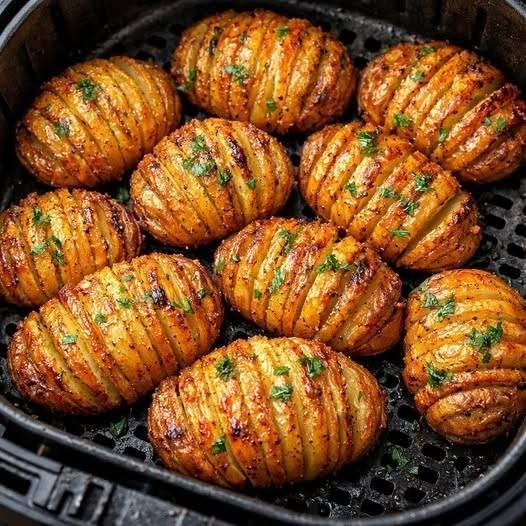
Healthy Baked Potato
Healthy baked potatoes are one of the simplest ways to turn an everyday ingredient into a satisfying, nourishing meal. A perfectly baked potato should have a crisp, lightly golden skin on the outside and a soft, fluffy, steaming center on the inside. With a few simple ingredients and the right baking technique, you can make a potato that feels comforting and indulgent while still being wholesome enough for a healthy lunch, dinner, or side dish.
This recipe keeps the potato simple and lets its natural flavor shine. Instead of loading it with heavy sauces, large amounts of butter, or processed toppings, the potato is lightly seasoned with olive oil, salt, black pepper, garlic, and herbs. You can enjoy it on its own or turn it into a complete meal by adding nutritious toppings such as Greek yogurt, cottage cheese, steamed vegetables, beans, grilled chicken, tuna, or fresh herbs.
The best potatoes for baking are large russet potatoes because they have a naturally fluffy interior and a skin that becomes wonderfully crisp in the oven. However, you can also use Yukon Gold potatoes or other varieties if you prefer a creamier texture. The baking time will depend on the size and variety of the potatoes, so it is always better to judge doneness by texture rather than relying only on the clock.
The most important step is preparing the potato properly before baking. Potatoes grow in soil, so the skin should always be washed thoroughly under cool running water. Scrub the surface gently with a clean vegetable brush or your hands to remove any dirt. After washing, dry the potatoes very well with a clean kitchen towel. Dry skin is essential for achieving that deliciously crisp exterior.
Once the potatoes are clean and dry, inspect them carefully. Remove any damaged areas or deep blemishes with a small knife. You can leave the skin on because potato skin contains fiber and contributes greatly to the texture of a baked potato.
Ingredients
4 large russet potatoes
1 to 2 tablespoons extra-virgin olive oil
1 teaspoon fine sea salt, plus more to taste
1/2 teaspoon freshly ground black pepper
1/2 teaspoon garlic powder
1/2 teaspoon dried parsley or Italian seasoning
1/4 teaspoon paprika, optional
Fresh parsley or chives for serving
Plain Greek yogurt for serving, optional
Freshly ground black pepper for serving
Optional healthy toppings such as steamed broccoli, spinach, roasted vegetables, beans, grilled chicken, cottage cheese, tuna, or shredded cheese
Equipment
A baking tray
Parchment paper, optional
A clean kitchen towel
A fork
A small knife
A pastry brush or your hands for applying the oil
An oven
Choosing the Potatoes
Choose potatoes that are firm, dry, and free from soft spots. Russet potatoes are especially good because their high starch content creates a light and fluffy center when baked. Select potatoes that are similar in size so they finish cooking at approximately the same time.
Avoid potatoes that have large green areas, excessive sprouting, or significant damage. Small natural marks can simply be trimmed away, but potatoes that look spoiled should not be used.
For a family meal, large potatoes work beautifully as a main dish. For a side dish, medium-sized potatoes are usually more appropriate because they cook faster and provide a manageable serving.
Preparing the Potatoes
Preheat your oven to 425°F, which is approximately 220°C.
Wash the potatoes thoroughly under cool running water. Scrub them gently to remove soil from the skin. Do not soak them unnecessarily because excess moisture on the surface can make it harder for the skin to become crisp.
Dry every potato completely. This step is easy to overlook, but it makes a noticeable difference in the final texture.
Use a fork to pierce each potato several times around the surface. The small holes allow steam to escape while the potato cooks. Pierce the potatoes on different sides rather than making all the holes in one area.
Place the prepared potatoes on a baking tray.
Making the Skin Crispy
Lightly coat each potato with olive oil. You do not need a large amount of oil. A thin coating is enough to encourage browning and help the seasonings stick to the skin.
Sprinkle the potatoes with salt and freshly ground black pepper. Add garlic powder and dried herbs if desired. A small amount of paprika can also provide a pleasant color and mild savory flavor.
Rub the seasoning gently over the entire surface so that every side is lightly coated.
Do not wrap the potatoes in aluminum foil if your goal is a crisp skin. Wrapping them traps steam around the potato and produces softer skin. For a classic baked potato with a crisp exterior, bake the potatoes uncovered.
Baking the Potatoes
Place the baking tray in the preheated oven.
Bake the potatoes for approximately 45 to 65 minutes, depending on their size. Medium potatoes may be ready sooner, while very large potatoes can require more time.
Avoid opening the oven repeatedly because every opening releases heat and can increase the cooking time.
The potatoes are ready when the skin is crisp and the center feels soft when gently pressed with an oven mitt or when a knife slides easily into the thickest part.
For the most accurate test, insert a thin knife or skewer into the center. It should move through the potato with very little resistance. If the center still feels firm, return the potatoes to the oven and continue baking for another 5 to 10 minutes before checking again.
Do not judge the potato only by the appearance of its skin. A beautifully browned exterior does not always mean that the center is completely cooked.
Resting the Potatoes
When the potatoes are fully baked, carefully remove them from the oven.
Allow them to rest for about 5 minutes. This short resting period allows the internal steam and heat to settle slightly.
For an especially fluffy interior, make a lengthwise cut across the top of each potato soon after removing it from the oven. Be careful because steam will escape from the opening.
Gently squeeze the ends of the potato toward the center using clean oven mitts. The potato should open naturally and reveal a soft, fluffy interior.
Fluff the inside lightly with a fork.
Healthy Topping Ideas
A baked potato can become an extremely versatile meal depending on what you put on top.
For a simple and creamy topping, add a spoonful of plain Greek yogurt. Greek yogurt provides a creamy texture and a pleasant tang without requiring a large amount of butter or cream.
Fresh herbs are another excellent option. Chopped parsley, chives, cilantro, dill, or green onions can make the potato taste fresh and flavorful.
For a vegetable-packed potato, add steamed broccoli, roasted bell peppers, spinach, mushrooms, corn, tomatoes, or sautéed onions.
For extra protein, add grilled chicken, tuna, black beans, chickpeas, cottage cheese, or another protein that fits your diet.
If you enjoy cheese, use a modest amount of your favorite cheese rather than covering the potato with a large quantity. Sharp cheddar, mozzarella, feta, or Parmesan can provide plenty of flavor with a smaller portion.
A simple combination of Greek yogurt, chopped chives, black pepper, and a small amount of shredded cheddar makes an excellent topping.
Another delicious combination is steamed broccoli, Greek yogurt, black pepper, and a small amount of cheddar cheese.
For a vegetarian meal, top the potato with black beans, corn, tomato, avocado, fresh cilantro, and a spoonful of Greek yogurt.
For a Mediterranean-inspired version, use chickpeas, chopped tomatoes, cucumber, parsley, feta cheese, and a spoonful of plain yogurt.
For a protein-rich breakfast or lunch, top the potato with a cooked egg, spinach, black pepper, and fresh herbs.
Healthy Baked Potato With Greek Yogurt
To make a creamy but lighter baked potato, prepare the potatoes according to the main recipe.
Once they are baked and fluffy, add 2 to 3 tablespoons of plain Greek yogurt to each potato.
Season with freshly ground black pepper and a small pinch of salt.
Add chopped chives or green onions.
If desired, finish with a small amount of grated cheddar cheese.
The result is creamy, tangy, savory, and satisfying without requiring a heavy sauce.
Healthy Baked Potato With Broccoli
Bake the potatoes until completely tender.
While the potatoes are baking, steam fresh broccoli until tender but still slightly firm.
Cut the baked potato open and fluff the center.
Add the broccoli and season with black pepper and garlic powder.
Add a spoonful of Greek yogurt and a small amount of shredded cheese if desired.
This version is especially satisfying because the fluffy potato pairs beautifully with the texture of the broccoli.
Healthy Baked Potato With Beans
Black beans or white beans can turn a baked potato into a filling vegetarian meal.
Warm cooked beans in a saucepan with a little garlic, black pepper, paprika, and a small amount of water.
Cut open the baked potato and fluff the inside.
Spoon the warm beans over the potato.
Add chopped tomatoes, fresh cilantro, green onions, and Greek yogurt.
For extra freshness, add a squeeze of lemon juice.
Healthy Baked Potato With Chicken
For a high-protein meal, top the baked potato with cooked chicken breast.
Season the chicken with garlic, paprika, black pepper, and herbs before cooking.
Once cooked, slice or shred the chicken.
Open the baked potato and fluff the inside.
Add the chicken along with steamed broccoli or spinach.
Finish with Greek yogurt, fresh herbs, and black pepper.
This makes a substantial lunch or dinner without requiring a complicated recipe.
Healthy Baked Potato With Tuna
A tuna baked potato is another quick and protein-rich option.
Drain canned tuna well and mix it with plain Greek yogurt, black pepper, lemon juice, and finely chopped green onions.
Open the hot baked potato and fluff the center.
Add the tuna mixture on top.
For extra crunch, add chopped cucumber, celery, or fresh herbs.
You can also add a small amount of sweet corn if you enjoy a slightly sweet contrast.
Healthy Baked Potato With Cottage Cheese
Cottage cheese works particularly well with baked potatoes because its mild flavor complements the potato without overpowering it.
Add a few spoonfuls of cottage cheese to the hot baked potato.
Season with black pepper, garlic powder, and chopped herbs.
Add sliced tomatoes or cucumber for freshness.
If you prefer a warmer topping, add steamed spinach or broccoli.
This version is simple, filling, and naturally creamy.
Making the Potato Extra Fluffy
If you want an exceptionally fluffy center, avoid overworking the potato after it is baked.
Cut the potato open immediately after removing it from the oven and gently fluff the center with a fork.
Do not mash it aggressively because excessive mixing can make the texture dense or sticky.
The best baked potato has a light, almost airy interior with a tender center and crisp skin.
Making the Potato Crispier
There are several ways to encourage crisp skin.
First, make sure the potatoes are completely dry before adding oil.
Second, use only a thin layer of oil.
Third, bake the potatoes uncovered.
Fourth, avoid overcrowding the baking tray.
Fifth, use a sufficiently hot oven.
If your potatoes are cooked but the skin is not as crisp as you would like, you can return them to the oven for another 5 to 10 minutes.
Keep a close eye on them during this final stage because the skin can darken quickly.
Air Fryer Variation
If you prefer to make baked potatoes in an air fryer, wash and dry the potatoes thoroughly.
Pierce them several times with a fork.
Rub the skin lightly with olive oil and season with salt and black pepper.
Preheat the air fryer if your model recommends preheating.
Cook the potatoes at approximately 400°F, or 200°C, for about 35 to 50 minutes depending on their size and your air fryer.
Turn them halfway through cooking if your air fryer cooks unevenly.
Check the center with a knife or skewer.
The potato is finished when the knife slides easily through the middle.
Allow it to rest for a few minutes before opening and fluffing.
The air fryer is particularly good for creating a crisp exterior while keeping the inside soft.
Microwave and Oven Method
If you are short on time, you can partially cook the potato in the microwave and finish it in the oven.
Wash and dry the potato.
Pierce it several times with a fork.
Microwave until the potato begins to soften, turning it halfway through if necessary.
Transfer it to a hot oven and bake until the skin becomes crisp and the center is completely tender.
This method can reduce the overall cooking time, although the texture may be slightly different from a potato cooked entirely in the oven.
Seasoning Variations
The basic salt and pepper seasoning is excellent, but baked potatoes can handle many different flavor combinations.
For a garlic herb potato, use garlic powder, parsley, thyme, rosemary, and black pepper.
For a smoky potato, add a small amount of smoked paprika.
For a spicy potato, use paprika, chili powder, black pepper, and a pinch of cayenne.
For a Mediterranean potato, use oregano, parsley, garlic, lemon zest, and black pepper.
For a fresh summer-style potato, use chives, parsley, cucumber, tomato, and Greek yogurt.
For a savory breakfast potato, use black pepper, garlic, spinach, egg, and fresh herbs.
For a Mexican-inspired potato, use black beans, corn, tomatoes, cilantro, lime juice, and a small amount of cheese.
For a simple family-style potato, use olive oil, salt, black pepper, garlic powder, and parsley.
How to Make It More Filling
A plain baked potato is satisfying, but if you are eating it as a complete meal, adding protein and vegetables can make it more balanced.
Start with the baked potato as the carbohydrate base.
Add a protein source such as chicken, tuna, eggs, beans, chickpeas, cottage cheese, or Greek yogurt.
Then add vegetables such as broccoli, spinach, mushrooms, tomatoes, peppers, or onions.
Finish with herbs, spices, lemon juice, or a small amount of cheese.
This approach creates a meal with different textures and flavors while keeping the recipe simple.
Serving Suggestions
Healthy baked potatoes can be served as a side dish with grilled chicken, roasted fish, turkey, lean beef, or vegetables.
They also work beautifully as a main meal when topped with protein and vegetables.
Serve them alongside a large green salad for a simple lunch.
Pair them with roasted vegetables for a comforting dinner.
Add grilled chicken and steamed broccoli for a higher-protein meal.
Serve with beans and fresh vegetables for a vegetarian dinner.
They can also be prepared ahead of time and reheated for quick lunches.
Storage
If you have leftover baked potatoes, allow them to cool properly and refrigerate them in an airtight container.
For best quality, use refrigerated cooked potatoes within several days.
When reheating, an oven or air fryer can help restore some of the crispness to the skin.
Microwaving is faster, but the skin will usually become soft.
If you are reheating a stuffed potato, make sure the center becomes thoroughly hot before serving.
Do not leave cooked potatoes sitting at room temperature for extended periods.
Meal Prep
Baked potatoes can be useful for meal preparation because they can serve as a base for several different meals throughout the week.
Bake several potatoes at once.
Allow them to cool and store them appropriately in the refrigerator.
Prepare separate containers of toppings such as cooked chicken, steamed broccoli, beans, chopped herbs, Greek yogurt, cottage cheese, and vegetables.
During the week, simply reheat a potato and add a different topping combination.
This prevents meals from becoming repetitive.
One day you might have chicken and broccoli.
The next day you could have beans and tomatoes.
Another day you could use tuna and Greek yogurt.
You could also serve a potato alongside a salad or soup.
Tips for the Best Healthy Baked Potato
Always clean the potatoes thoroughly.
Dry the skins before adding oil.
Use a small amount of oil rather than soaking the potatoes.
Pierce the potatoes before baking.
Bake them uncovered for crisp skin.
Do not overcrowd the baking tray.
Use potatoes of similar size so they cook evenly.
Check doneness with a knife or skewer.
Give very large potatoes extra cooking time.
Open the potato after baking so steam can escape.
Fluff the center gently with a fork.
Choose nutritious toppings when using the potato as a complete meal.
Do not rely only on cheese, butter, or heavy sauces for flavor.
Use herbs, spices, lemon juice, yogurt, vegetables, and lean proteins to create variety.
Common Mistakes to Avoid
One common mistake is wrapping the potato in foil when crispy skin is desired. Foil traps moisture and creates a softer exterior.
Another mistake is using too much oil. The skin does not need to be heavily coated. A thin layer is sufficient.
Another problem occurs when the potato is not baked long enough. The outside may look ready while the center remains firm. Always check the thickest part of the potato.
Using potatoes of very different sizes on the same tray can also result in uneven cooking.
Adding wet toppings too early can make the potato skin soggy. For the crispiest result, add toppings immediately before serving.
Overloading the potato with heavy toppings can also defeat the purpose of a lighter recipe. A few flavorful ingredients are often enough.
Nutritional Notes
Potatoes can be part of a healthy, balanced diet. They provide carbohydrates for energy and contain several important nutrients. Keeping the preparation simple and controlling the amount of added fat can make baked potatoes a practical everyday food.
The nutritional value of the finished meal depends heavily on the toppings.
A potato topped with Greek yogurt and vegetables will have a different nutritional profile from one covered in butter, sour cream, bacon, and large amounts of cheese.
For a balanced meal, consider combining the potato with a protein source and plenty of vegetables.
Frequently Asked Questions
Can I eat the potato skin?
Yes. The skin can be eaten when the potato has been properly washed and cooked. It also contributes to the crisp texture of a baked potato.
Why is my baked potato hard inside?
The potato probably needs more cooking time. Larger potatoes can take significantly longer than smaller ones. Continue baking until a knife slides easily through the center.
Why is my potato skin not crispy?
The potato may have been too wet, too much oil may have been used, or the potato may have been wrapped in foil. Make sure the skin is dry and bake the potato uncovered.
Can I use olive oil?
Yes. A small amount of olive oil works very well for creating a lightly crisp, flavorful skin.
Can I make this recipe without oil?
Yes. The potato can be baked without oil, although the skin will usually be less crisp and less browned.
Can I use sweet potatoes?
Yes. Sweet potatoes can be prepared using a similar method, although their cooking time and texture will differ slightly.
Can I make small baked potatoes?
Yes. Smaller potatoes will generally cook faster. Begin checking them earlier than large potatoes.
Can I prepare baked potatoes in advance?
Yes. Bake the potatoes ahead of time, refrigerate them properly, and reheat them when needed.
What is the healthiest topping?
There is no single healthiest topping for everyone. Greek yogurt, beans, vegetables, cottage cheese, eggs, chicken, and tuna can all be nutritious options depending on your dietary needs.
Can I add cheese?
Absolutely. A small amount of strongly flavored cheese can add plenty of flavor without needing a large quantity.
Can I make this recipe vegan?
Yes. Use olive oil and plant-based toppings such as beans, chickpeas, vegetables, avocado, salsa, herbs, and plant-based yogurt.
Can I make this recipe gluten-free?
Plain potatoes and the basic ingredients in this recipe are naturally gluten-free. If using packaged seasonings or toppings, check their labels to make sure they are suitable for your needs.
Final Recipe
For 4 large healthy baked potatoes, wash and thoroughly dry 4 large russet potatoes. Pierce each potato several times with a fork. Rub with 1 to 2 tablespoons of olive oil and season with salt, black pepper, garlic powder, and dried herbs.
Place the potatoes uncovered on a baking tray and bake at 425°F, or 220°C, for approximately 45 to 65 minutes, depending on their size.
Check the thickest part of each potato with a knife or skewer. The potato should be completely soft in the center.
Remove from the oven and allow the potatoes to rest for about 5 minutes.
Cut each potato open lengthwise and gently fluff the center with a fork.
Serve immediately with your preferred healthy toppings.
For a simple everyday version, add Greek yogurt, fresh chives, black pepper, and a small amount of shredded cheese.
For a complete meal, add a protein source such as grilled chicken, tuna, beans, eggs, or cottage cheese together with plenty of vegetables.
The beauty of a healthy baked potato is its simplicity. With a crisp, seasoned skin and a soft, fluffy center, it can be enjoyed as a comforting side dish or transformed into a complete meal with nutritious toppings. It is inexpensive, versatile, easy to prepare, and adaptable to almost any flavor preference. Once you master the basic baking method, you can create countless variations using ingredients you already have in your kitchen.
