 admin1
 Low Calorie Greek Yogurt Cake Recipe
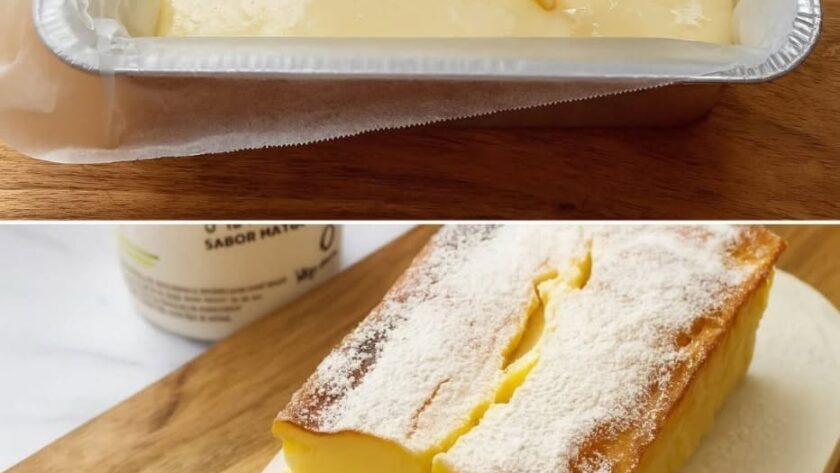
- If you are looking for a soft, light, and satisfying dessert that feels indulgent without being loaded with calories, this Low Calorie Greek Yogurt Cake is a wonderful choice. It has a delicate texture, a mild tangy flavor from the Greek yogurt, and just the right amount of sweetness to satisfy dessert cravings while fitting into a healthier lifestyle. Unlike traditional cakes that rely heavily on butter and oil, this version uses protein-rich Greek yogurt to create a moist crumb with less fat and fewer calories.
- This cake is ideal for breakfast, an afternoon snack, or a simple dessert after dinner. It pairs beautifully with fresh berries, a dusting of powdered sweetener, or even a spoonful of extra yogurt on top. The recipe is straightforward enough for beginner bakers, yet the finished cake looks elegant enough to serve to guests.
- One of the biggest advantages of this recipe is how versatile it is. You can keep it simple with vanilla and lemon, or customize it with your favorite extracts, spices, or fruit. The cake stays moist for several days, making it perfect for meal prep or healthy snacking throughout the week.
- The gentle tanginess of Greek yogurt balances the sweetness perfectly, creating a cake that tastes fresh and light rather than overly rich. Every bite is tender, fluffy, and satisfying without feeling heavy.
Why You’ll Love This Recipe
- This cake contains less fat than many traditional cakes because Greek yogurt replaces most or all of the butter and oil.
- It is naturally higher in protein thanks to the Greek yogurt.
- The texture stays soft and moist without becoming dense.
- It requires simple pantry ingredients.
- The recipe is easy enough for beginner bakers.
- It can be served for breakfast, brunch, snack time, or dessert.
- The cake stores well and tastes even better the next day.
- It can easily be adapted with seasonal fruits and different flavors.
Ingredients
- 2 cups plain nonfat Greek yogurt
- 2 large eggs
- ½ cup granulated sweetener or sugar substitute suitable for baking
- 2 teaspoons vanilla extract
- 1 tablespoon fresh lemon juice
- 1 teaspoon finely grated lemon zest
- 1½ cups all-purpose flour
- 2 teaspoons baking powder
- ¼ teaspoon baking soda
- ¼ teaspoon salt
- Optional for garnish:
- Fresh strawberries
- Fresh blueberries
- Fresh raspberries
- Powdered sugar substitute
- Fresh mint leaves
Ingredient Notes
- Greek yogurt is the star ingredient in this recipe. Choose thick plain nonfat Greek yogurt for the best texture. Avoid flavored yogurt because it often contains added sugar and extra moisture.
- Fresh eggs help provide structure and create a fluffy crumb. Bring them to room temperature before mixing.
- Vanilla extract adds warmth and enhances the natural flavor of the yogurt.
- Lemon juice and zest brighten the cake and complement the yogurt beautifully.
- Baking powder and baking soda work together to produce a light, airy texture.
- The small amount of salt balances the sweetness and enhances every flavor.
Kitchen Equipment
- Large mixing bowl
- Medium mixing bowl
- Whisk
- Rubber spatula
- 8-inch round cake pan
- Parchment paper
- Cooling rack
- Measuring cups and spoons
- Fine grater for lemon zest
Preparing the Cake Pan
- Preheat your oven to 350°F (175°C).
- Lightly coat the cake pan with nonstick cooking spray.
- Line the bottom with parchment paper for easy removal.
- Lightly spray the parchment as well.
- This small preparation step ensures the cake releases perfectly after baking.
Mixing the Wet Ingredients
- Place the Greek yogurt into a large bowl.
- Add the eggs one at a time while whisking continuously.
- Mix until smooth and creamy.
- Add the sweetener.
- Whisk until completely dissolved.
- Stir in the vanilla extract.
- Add the lemon juice.
- Mix in the lemon zest.
- Continue whisking until the mixture becomes silky and uniform.
- The batter should appear creamy with no visible lumps.
Mixing the Dry Ingredients
In another bowl combine:
- Flour
- Baking powder
- Baking soda
- Salt
- Whisk thoroughly to evenly distribute the leavening agents.
- This helps the cake rise evenly throughout baking.
Combining the Batter
- Gradually add the dry ingredients into the yogurt mixture.
- Fold gently using a rubber spatula.
- Avoid vigorous stirring.
- Continue folding only until no dry flour remains.
- Overmixing can make the finished cake dense instead of fluffy.
- The batter should be thick, smooth, and easy to spread.
Filling the Cake Pan
- Pour the batter into the prepared pan.
- Spread the surface evenly.
- Gently tap the pan on the counter two or three times.
- This removes trapped air bubbles and creates a smooth top.
Baking
- Place the cake in the center rack of the oven.
- Bake for approximately 35 to 45 minutes.
- The exact baking time depends on your oven.
- The cake is ready when:
- The top becomes lightly golden.
- The center feels springy.
- A toothpick inserted into the center comes out clean.
- Avoid opening the oven during the first 30 minutes because sudden temperature changes may cause the cake to sink.
Cooling
- Remove the cake from the oven.
- Allow it to cool in the pan for about 15 minutes.
- Run a thin knife around the edge if necessary.
- Carefully remove the cake.
- Transfer it to a wire rack.
- Let it cool completely before slicing.
- Cooling allows the crumb to set properly and prevents crumbling.
Serving Suggestions
- Serve the cake chilled for a refreshing dessert.
- Enjoy it slightly warm with fresh berries.
- Top each slice with a spoonful of Greek yogurt.
- Add sliced strawberries for natural sweetness.
- Serve with blueberries and raspberries.
- Dust lightly with powdered sugar substitute.
- Pair it with hot coffee.
- Serve alongside herbal tea.
- Enjoy with iced coffee on warm afternoons.
- Slice into small squares for brunch buffets.
Flavor Variations
- Add cinnamon for a warm comforting flavor.
- Mix in orange zest instead of lemon.
- Add almond extract for a bakery-style aroma.
- Fold fresh blueberries into the batter.
- Add diced peaches during summer.
- Mix in raspberries for a tart finish.
- Stir in finely chopped strawberries.
- Add poppy seeds for extra texture.
- Include a little coconut extract for a tropical twist.
- Sprinkle sliced almonds over the top before baking.
Healthy Topping Ideas
- Fresh berries
- Kiwi slices
- Peach slices
- Fresh mango
- Low-fat whipped topping
- Extra Greek yogurt
- Sugar-free fruit compote
- Light honey drizzle if desired
- Fresh mint
- Lemon zest
Expert Baking Tips
- Use room-temperature ingredients for smoother batter.
- Measure flour carefully using the spoon-and-level method.
- Avoid overmixing once flour is added.
- Bake on the middle oven rack.
- Check for doneness with a toothpick.
- Allow the cake to cool completely before cutting.
- Store leftovers in the refrigerator.
- The flavor improves after resting overnight.
Common Mistakes to Avoid
- Using watery yogurt instead of thick Greek yogurt.
- Skipping parchment paper.
- Adding too much flour.
- Overmixing the batter.
- Opening the oven door too early.
- Removing the cake before it has cooled slightly.
- Overbaking, which may dry out the cake.
- Using expired baking powder.
Storage Instructions
- Store the cooled cake in an airtight container in the refrigerator for up to five days.
- The cake remains moist because of the Greek yogurt and tastes excellent even after several days.
Freezing Instructions
- Allow the cake to cool completely.
- Wrap individual slices tightly in plastic wrap.
- Place them into a freezer-safe container or freezer bag.
- Freeze for up to three months.
- Thaw overnight in the refrigerator before serving.
Nutritional Benefits
- Greek yogurt provides protein while reducing the need for butter and oil.
- The cake contains less fat than traditional recipes.
- It offers a balanced combination of carbohydrates and protein.
- The moderate sweetness makes it suitable for lighter desserts.
- Fresh fruit toppings increase vitamins, antioxidants, and fiber.
Frequently Asked Questions
Can I use full-fat Greek yogurt?
Yes. Full-fat Greek yogurt creates a richer texture while still producing a wonderfully moist cake.
Can I make this cake gluten-free?
Yes. Substitute a quality gluten-free all-purpose flour blend that includes xanthan gum.
Can I use honey instead of sweetener?
Yes. Honey works well, although it slightly changes the texture and increases the calorie count.
Why is my cake dense?
Dense cake usually results from overmixing or adding too much flour.
Can I make cupcakes instead?
Yes. Divide the batter into lined muffin cups and bake for approximately 18 to 22 minutes.
Can I add fruit inside the batter?
Absolutely. Blueberries, raspberries, diced peaches, or chopped strawberries all work beautifully.
How should I serve this cake?
Serve chilled, at room temperature, or slightly warm with fresh fruit and a spoonful of Greek yogurt.
Recipe Summary
This Low Calorie Greek Yogurt Cake is soft, moist, and naturally satisfying without being overly rich. Greek yogurt keeps every slice tender while adding protein and reducing fat compared to traditional cakes. The bright hint of lemon and vanilla creates a fresh flavor that pairs perfectly with seasonal fruit. Whether served for breakfast, an afternoon snack, or a light dessert, this simple homemade cake delivers delicious results with wholesome ingredients and minimal effort. It is easy to prepare, stores beautifully, and is a recipe you’ll find yourself making again and again whenever you want a healthier homemade treat.
