 admin1
 Seeded No-Knead Bread Recipe
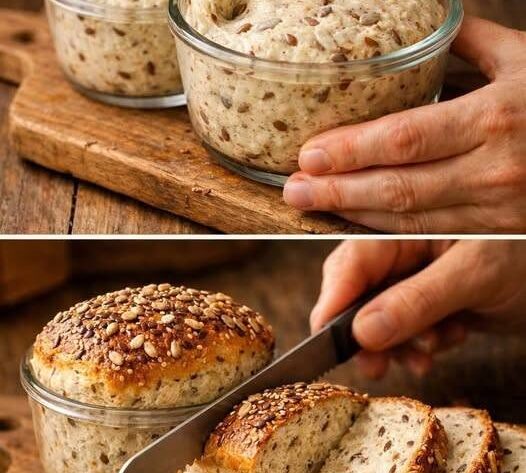
Seeded No-Knead Bread is a rustic, wholesome loaf with a crisp golden crust, a soft and chewy interior, and a beautiful combination of nutty seeds throughout every slice. This bread requires very little hands-on work because the dough develops flavor and structure slowly through a long fermentation process. The result is a bakery-style loaf made at home with simple ingredients, no kneading, and no special bread-making skills.
The combination of seeds adds texture, aroma, and a satisfying crunch. Sunflower seeds bring a mild buttery flavor, pumpkin seeds add richness, sesame seeds contribute a delicate nuttiness, and flax or chia seeds provide extra texture. This bread is perfect for breakfast, sandwiches, soups, toast, or simply enjoyed warm with butter, olive oil, or your favorite spread.
Ingredients
For the bread dough
3 cups all-purpose flour or bread flour
1 cup whole wheat flour
2 teaspoons salt
1 teaspoon instant yeast
2 tablespoons honey or maple syrup
1 ½ cups warm water, plus more if needed
2 tablespoons olive oil
½ cup mixed seeds for the dough
For the seed topping
2 tablespoons sunflower seeds
2 tablespoons pumpkin seeds
1 tablespoon sesame seeds
1 tablespoon flax seeds
1 tablespoon chia seeds
2 tablespoons rolled oats, optional
A little water for brushing the loaf before baking
Choosing the Right Seeds
A good seeded bread uses a balanced mixture of seeds to create different flavors and textures. Sunflower seeds provide a pleasant crunch and a slightly sweet nutty taste. Pumpkin seeds add a richer flavor and a beautiful appearance when sprinkled on top. Sesame seeds give the crust a classic bakery aroma, while flax and chia seeds help create a hearty texture.
You can adjust the seed mixture based on what you have available. Poppy seeds, hemp seeds, black sesame seeds, or chopped nuts can also be added. If using larger seeds, lightly toasting them before adding them to the dough will enhance their flavor.
Preparing the Dough
Begin by combining the all-purpose flour and whole wheat flour in a large mixing bowl. Add the salt, instant yeast, and mixed seeds. Stir everything together until the ingredients are evenly distributed.
In a separate bowl or measuring cup, combine the warm water, honey or maple syrup, and olive oil. The water should be warm but not hot. Very hot water can damage the yeast, while cold water will slow the fermentation process.
Pour the liquid mixture into the flour mixture. Using a wooden spoon or sturdy spatula, stir until all the flour is absorbed. The dough will look sticky and rough, which is completely normal for a no-knead bread recipe.
Do not add too much flour. A wetter dough creates a lighter, more open crumb and helps the bread achieve a professional bakery-style texture.
Once the dough is mixed, cover the bowl tightly with plastic wrap, a reusable cover, or a clean kitchen towel.
First Rise and Fermentation
Allow the dough to rest at room temperature for 12 to 18 hours. During this time, the yeast slowly ferments the dough, creating deep flavor and a soft texture.
A long fermentation period is what makes no-knead bread special. The dough will gradually become larger, smoother, and filled with bubbles. You may notice a slightly sour, pleasant aroma, similar to artisan bakery bread.
If your kitchen is very warm, the dough may rise faster. If your kitchen is cool, it may take longer. The dough is ready when it has expanded significantly and the surface looks bubbly.
Shaping the Bread
After the first rise, lightly flour a clean work surface. Turn the dough out onto the surface using a spatula because the dough will be sticky.
Sprinkle a little flour over the dough and gently fold the edges toward the center. Avoid kneading because the goal is to keep the air bubbles that have developed during fermentation.
Shape the dough into a round loaf. Place it on a piece of parchment paper or a generously floured kitchen towel.
Cover the dough loosely and let it rest for another 45 minutes to 1 hour.
During this second rise, the dough will become slightly puffier and easier to bake into a tall, beautiful loaf.
Preparing the Seed Topping
While the dough is resting, prepare the seed topping.
Combine sunflower seeds, pumpkin seeds, sesame seeds, flax seeds, chia seeds, and oats if using.
When the loaf is ready to bake, lightly brush the top with water. This helps the seeds stick to the crust.
Sprinkle the seed mixture generously over the surface. Press the seeds gently into the dough so they stay attached during baking.
Baking the Bread
Place a Dutch oven or heavy oven-safe pot with a lid inside the oven. Preheat the oven to 450°F (230°C) for at least 30 minutes. A properly heated pot creates steam, which helps develop the crisp, golden crust.
Carefully remove the hot pot from the oven. Lift the dough using the parchment paper and place it inside.
Cover with the lid and bake for 30 minutes.
Remove the lid and continue baking for another 15 to 20 minutes until the bread is deeply golden brown and the crust is crisp.
The loaf should sound hollow when tapped on the bottom. If you have a kitchen thermometer, the internal temperature should be around 200°F to 210°F (93°C to 99°C).
Cooling the Bread
Allow the bread to cool on a wire rack for at least 1 hour before slicing.
Although it may be tempting to cut into the warm loaf immediately, cooling allows the inside structure to finish setting. Cutting too early can make the crumb appear gummy or dense.
Once cooled, the bread will have a crisp crust, a soft interior, and a wonderful seeded texture.
How to Serve Seeded No-Knead Bread
This bread is delicious in many ways.
Serve thick slices with butter, cream cheese, jam, or honey for breakfast.
Toast slices and top them with avocado, eggs, smoked salmon, or roasted vegetables.
Use it for sandwiches because the hearty texture holds fillings beautifully.
Serve it alongside soups, stews, and salads for a satisfying meal.
Make rustic toast with olive oil, herbs, and garlic for a simple snack.
Storage Instructions
Store the cooled bread in a paper bag or wrapped in a clean kitchen towel at room temperature for up to three days. Avoid storing it in plastic for long periods because the crust may become soft.
For longer storage, slice the bread and freeze it in an airtight container or freezer bag. Individual slices can be toasted directly from frozen whenever needed.
Tips for the Best Seeded No-Knead Bread
Use fresh yeast for the best rise and flavor.
Do not rush the first fermentation because the long resting time creates the deep artisan flavor.
Keep the dough slightly sticky. A wetter dough produces a lighter texture.
Preheating the Dutch oven is important because it creates the steam needed for a crisp crust.
For extra flavor, toast the seeds before adding them to the dough.
You can soak flax seeds and chia seeds in a little water before adding them if you prefer a softer texture.
Use a combination of white flour and whole wheat flour for the best balance between softness and hearty flavor.
Variations
For a multigrain seeded loaf, replace some of the whole wheat flour with rye flour, spelt flour, or oat flour.
For a sweeter breakfast bread, add dried cranberries, raisins, cinnamon, and a little extra honey.
For a savory version, add rosemary, garlic powder, cracked black pepper, or grated cheese.
For an extra crunchy crust, add more seeds to the top before baking.
Frequently Asked Questions
Can I make this bread without a Dutch oven?
Yes. A Dutch oven gives the best crust, but you can bake the bread on a baking sheet. Place a small pan of hot water in the oven during baking to create steam.
Can I use only whole wheat flour?
You can, but the bread will be denser. A combination of all-purpose flour and whole wheat flour creates a lighter loaf with better structure.
Can I prepare the dough in advance?
Yes. The dough can be mixed and refrigerated after the first rise. Let it come closer to room temperature before shaping and baking.
Why is my dough too wet?
No-knead dough is naturally wetter than regular bread dough. If it is impossible to handle, add a small amount of flour while shaping, but avoid making the dough dry.
Why did my bread turn out dense?
Dense bread can happen if the dough did not ferment long enough, the yeast was inactive, or too much flour was added.
Final Result
Seeded No-Knead Bread is a simple yet impressive homemade loaf that delivers bakery-quality results with minimal effort. The slow fermentation creates incredible flavor, while the mixture of seeds adds a delicious crunch and wholesome character. Whether served fresh from the oven, toasted for breakfast, or paired with a comforting meal, this bread is a rewarding recipe that belongs in every home baker’s collection.