 admin1
 Soft, Fluffy & Creamy Scrambled Eggs
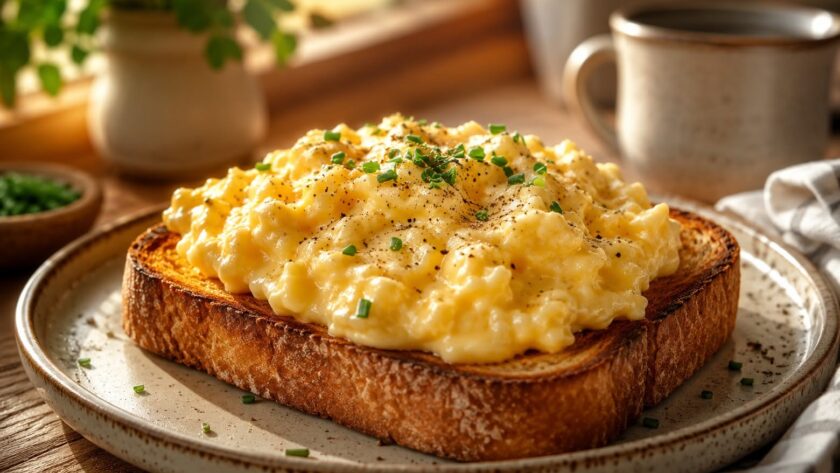
Soft, fluffy, and creamy scrambled eggs are one of the simplest breakfasts you can make, but getting the texture just right takes a little attention. The best scrambled eggs should be tender, moist, delicate, and creamy rather than dry, rubbery, or browned. This recipe uses a gentle cooking method, a little butter, and careful stirring to create eggs that are soft and silky with small, fluffy curds.
These scrambled eggs are perfect for a relaxed breakfast, weekend brunch, a quick lunch, or a simple dinner. They can be served with toast, fresh fruit, roasted vegetables, potatoes, avocado, or your favorite breakfast sides. They are also delicious on their own because the slow cooking method allows the natural richness of the eggs to shine.
The secret is simple: use fresh eggs, whisk them thoroughly, cook them over low to medium-low heat, and remove them from the pan while they still look slightly softer than you want. The residual heat will continue cooking them for a short time after they leave the stove.
Recipe Overview
This recipe makes approximately 2 servings.
Preparation time is about 5 minutes.
Cooking time is approximately 5 to 8 minutes.
Total time is about 10 to 15 minutes.
The recipe is easy enough for beginners and can be adjusted according to your preferred consistency.
Ingredients
4 large eggs
2 tablespoons whole milk, heavy cream, or half-and-half
1 tablespoon unsalted butter
1/4 teaspoon fine salt, or to taste
1/8 teaspoon freshly ground black pepper
1 tablespoon finely chopped fresh chives or parsley, optional
1 tablespoon finely grated Parmesan cheese, optional
Additional butter for serving, optional
Freshly cracked black pepper for finishing, optional
Choosing the Eggs
Fresh eggs are ideal for scrambled eggs because they usually produce a richer flavor and a more pleasant texture. Room-temperature eggs can also whisk more easily and cook more evenly, although refrigerated eggs will work perfectly well.
If you are preparing scrambled eggs for several people, crack the eggs into a bowl rather than directly into the pan. This gives you the opportunity to remove any pieces of shell and ensures that the eggs are evenly combined before cooking.
For especially creamy scrambled eggs, use whole eggs rather than separating the yolks and whites. The yolks provide richness while the whites contribute structure, creating a balanced texture when cooked gently.
Choosing the Dairy
A small amount of dairy can make scrambled eggs feel softer and creamier.
Whole milk produces light and tender eggs.
Half-and-half gives the eggs a richer texture.
Heavy cream creates an especially luxurious result.
You can also make the eggs without dairy. Proper temperature control is more important than the amount of milk or cream you add.
Avoid adding too much liquid because excessive dairy can make the eggs watery and prevent them from forming beautiful, soft curds.
Preparing the Egg Mixture
Crack the eggs into a medium-sized bowl.
Add the milk or cream and season with a small amount of salt.
Whisk the eggs thoroughly until the yolks and whites are completely combined. You should not see large streaks of clear egg white remaining.
Whisking also incorporates a small amount of air, which helps create lighter and fluffier scrambled eggs.
Do not whisk so aggressively that the mixture becomes excessively foamy. A smooth, evenly blended mixture is exactly what you want.
Add the black pepper either before cooking or immediately after cooking. If you prefer a very delicate appearance, you can wait until the eggs are finished before adding the pepper.
Preparing the Pan
Choose a nonstick skillet or another well-seasoned pan with a smooth cooking surface.
Place the skillet over low to medium-low heat.
Add the butter and allow it to melt slowly.
The butter should melt gently and become glossy. It should not turn dark brown or burn.
Once the butter has melted, swirl it around the pan so the bottom is evenly coated.
The gentle heat is important because scrambled eggs cook quickly. A pan that is too hot will cause the outside of the eggs to cook before the inside has a chance to remain creamy.
Cooking the Scrambled Eggs
Pour the whisked egg mixture into the buttered skillet.
Let the eggs sit undisturbed for approximately 10 to 15 seconds.
Once the edges begin to look slightly set, use a silicone spatula to gently move the eggs from the edges toward the center.
Continue moving the eggs slowly and gently.
Do not constantly stir them into tiny pieces. Instead, allow larger soft curds to form.
Push the cooked portions toward the center and allow the uncooked egg to flow into the open areas of the pan.
Continue this process over low heat.
As the eggs become thicker, reduce the frequency of stirring. Gentle folding will create larger, fluffy curds.
Keep watching the texture carefully.
The eggs should look soft and slightly glossy.
When they are almost completely set but still appear a little wetter than you would normally serve them, remove the skillet from the heat.
This is one of the most important steps in the entire recipe.
Eggs continue cooking from their own retained heat, so if you wait until they look completely finished in the pan, they can become dry by the time they reach the plate.
The Best Texture
Perfect scrambled eggs should not be completely dry.
They should have a soft, tender texture with creamy centers.
The curds should hold together without becoming firm or rubbery.
The surface should look moist and silky.
When you gently cut through the eggs with a spoon or fork, they should feel tender rather than firm.
If your eggs look glossy but are not runny, you have likely reached the ideal point.
If they are completely dry and firm while still in the skillet, they have probably been cooked too long.
Finishing the Eggs
Once the eggs are removed from the heat, taste them carefully.
Add more salt if needed.
Add freshly ground black pepper for a slightly sharper flavor.
For a fresh finish, sprinkle over chopped chives or parsley.
For a richer version, add a small amount of finely grated Parmesan cheese while the eggs are still warm.
You can also add a tiny piece of butter after removing the pan from the heat and gently fold it through the eggs.
The residual heat will melt the butter and make the eggs even more luxurious.
Serving Suggestions
Soft scrambled eggs are delicious served immediately with toasted sourdough bread.
For a classic breakfast, serve them with crispy potatoes and fresh tomatoes.
For a lighter meal, serve them alongside avocado and sliced cucumber.
For a protein-rich breakfast, pair them with grilled chicken, turkey, or another favorite protein.
You can also spoon the eggs onto warm toast and finish them with black pepper and fresh herbs.
For a simple brunch plate, serve the eggs with roasted mushrooms, sautéed spinach, tomatoes, and toasted bread.
For children, you can keep the seasoning very simple and serve the eggs with buttered toast.
Creamy Cheese Scrambled Eggs
For extra creamy scrambled eggs, add approximately 2 tablespoons of shredded cheddar cheese during the final minute of cooking.
Reduce the heat to very low.
Gently fold the cheese into the soft eggs.
Remove the pan from the heat as soon as the cheese melts.
The cheese should blend into the eggs without making them heavy.
Cream cheese can also be used for an exceptionally creamy texture.
Add approximately 1 tablespoon of softened cream cheese during the final stage of cooking and fold gently until just combined.
Herb Scrambled Eggs
Fresh herbs can transform simple scrambled eggs into a more flavorful dish.
Chives are particularly good because their mild onion flavor complements the richness of the eggs.
Parsley adds freshness.
Dill gives the eggs a slightly more distinctive flavor.
Basil creates a softer, aromatic flavor that works especially well with tomatoes.
Add delicate herbs after cooking or during the final few seconds so they retain their fresh flavor.
Garlic Butter Scrambled Eggs
For a more savory version, melt the butter over low heat and add a very small amount of finely minced garlic.
Cook the garlic gently for approximately 20 to 30 seconds.
Do not let it brown.
Pour in the egg mixture and continue cooking gently.
The garlic should provide a subtle background flavor rather than overpowering the eggs.
This version is especially delicious served over toasted bread.
Spicy Scrambled Eggs
If you enjoy a little heat, add a pinch of red pepper flakes or a small amount of finely chopped fresh chili.
You can also finish the eggs with a few drops of hot sauce.
For a smoky flavor, use a small pinch of smoked paprika.
Keep the amount of spice moderate because strong seasonings can easily overpower the delicate flavor of soft scrambled eggs.
Vegetable Scrambled Eggs
Vegetables should generally be cooked before adding the eggs because many vegetables release water during cooking.
Sauté mushrooms, bell peppers, onions, spinach, or tomatoes separately.
Once the vegetables are tender and most of their moisture has evaporated, add the whisked eggs.
Cook gently until the eggs reach your preferred consistency.
Spinach works particularly well because it cooks quickly.
Mushrooms should be cooked until lightly browned and no longer watery.
Bell peppers can be sautéed until tender but still slightly crisp.
Smoked Salmon Scrambled Eggs
For an elegant breakfast, serve the soft scrambled eggs with smoked salmon.
Cook the eggs using the basic method.
Remove them from the heat while still soft and creamy.
Fold in small pieces of smoked salmon or place the salmon over the eggs after plating.
Serve with toasted bread and a small amount of fresh chives.
A little lemon zest can also add brightness.
Avocado Scrambled Eggs
Creamy scrambled eggs pair beautifully with ripe avocado.
Prepare the eggs as directed.
Slice or mash a ripe avocado and season it lightly with salt and black pepper.
Serve the eggs over toasted bread with avocado on the side or underneath.
A small amount of lemon juice can keep the avocado fresh and add a bright contrast to the richness of the eggs.
Common Mistakes to Avoid
One of the biggest mistakes is cooking scrambled eggs over high heat.
High heat causes the proteins in the eggs to tighten rapidly, resulting in dry and rubbery curds.
Another common mistake is over-stirring.
Although scrambled eggs need movement, constantly chopping and stirring them creates very small curds and can make the finished eggs less creamy.
Using too much milk or cream is another mistake.
A large amount of liquid does not automatically create creamier eggs. It can instead make them watery.
Cooking the eggs until they look completely finished in the pan is also a problem.
Remember that the eggs continue cooking after the heat is turned off.
Finally, serving the eggs several minutes after cooking can affect their texture. Scrambled eggs are best eaten immediately.
How to Make Extra-Fluffy Scrambled Eggs
For fluffy eggs, whisk the mixture thoroughly before cooking.
Use a moderate amount of air incorporation rather than excessive foaming.
Cook the eggs slowly.
Avoid pressing the eggs flat against the pan.
Use a spatula to fold the eggs rather than aggressively stirring them.
Remove them from the heat while they are still slightly glossy.
Serve immediately.
These small details make a noticeable difference.
How to Make Extra-Creamy Scrambled Eggs
For maximum creaminess, use whole eggs and a small amount of cream.
Cook over low heat.
Add butter to the pan before adding the eggs.
Move the eggs gently as they begin to set.
Remove the pan from the heat before the eggs become fully firm.
For an even richer version, fold in a small spoonful of cream cheese or an additional teaspoon of butter at the end.
The goal is not to add large amounts of dairy. The goal is to prevent the egg proteins from becoming overcooked.
How to Make Soft Scrambled Eggs Without Milk
Milk is completely optional.
Crack the eggs into a bowl and whisk them with salt.
Heat a nonstick pan over low heat.
Add butter.
Pour in the eggs and cook slowly.
Use a spatula to gently fold the eggs as they set.
Remove them from the heat while they are still soft and glossy.
The result can be extremely creamy even without any milk.
Make-Ahead Information
Scrambled eggs are best when freshly prepared.
They can technically be refrigerated after cooking, but they will not have the same delicate texture once reheated.
If you need to prepare breakfast in advance, slightly undercook the eggs before storing them.
Allow them to cool quickly and place them in an airtight container.
Refrigerate promptly.
When reheating, use low heat and add a small amount of butter or cream to help restore moisture.
Avoid overheating because this can make the eggs firm and rubbery.
For the best texture, however, prepare scrambled eggs immediately before serving.
Storage
Cooked scrambled eggs can be stored in the refrigerator in a covered container.
Use them within a short period and keep them properly chilled.
Do not leave cooked eggs sitting at room temperature for an extended period.
When reheating, warm them gently until hot throughout.
If the eggs develop an unusual smell, appearance, or texture, discard them.
Frequently Asked Questions
Can I use only egg whites?
Yes. Egg whites can be scrambled, but they will be less rich and creamy than whole eggs because the yolks contain much of the egg’s fat and flavor.
Why are my scrambled eggs watery?
Watery eggs can result from adding too much milk or cream, using vegetables that release excess moisture, or cooking at an inappropriate temperature. Cook vegetables separately and use only a small amount of dairy.
Why did my eggs become rubbery?
Rubbery eggs are usually the result of overcooking or using excessive heat. Lower the temperature and remove the eggs from the pan while they are still slightly soft.
Should I add salt before cooking?
Yes. Salt can be added to the egg mixture before cooking. It helps season the eggs evenly.
Should I use butter or oil?
Butter is particularly good for scrambled eggs because it adds richness and flavor. Oil can also be used if preferred.
Can I use a stainless steel pan?
Yes, but a nonstick pan is easier for beginners because eggs are less likely to stick. If using stainless steel, make sure the pan is properly heated and generously coated with butter.
How do I get large fluffy curds?
Let the eggs sit briefly when they first enter the pan, then gently fold them instead of constantly stirring. Avoid chopping the eggs into small pieces.
How do I keep scrambled eggs creamy?
Use low heat, avoid overcooking, and remove the eggs from the pan before they look completely firm.
Can I add cheese?
Absolutely. Cheddar, Parmesan, mozzarella, goat cheese, feta, and cream cheese can all work well.
Can I make these eggs dairy-free?
Yes. Use a dairy-free butter alternative or cooking oil and replace the milk or cream with a small amount of unsweetened dairy-free milk, or leave it out completely.
Can I add vegetables?
Yes. Cook vegetables before adding the eggs so that excess moisture does not make the eggs watery.
Chef’s Tips for Perfect Scrambled Eggs
Use fresh eggs whenever possible.
Whisk the eggs until the mixture is completely uniform.
Do not use excessive milk or cream.
Start with a cold or gently warmed pan rather than an extremely hot skillet.
Cook slowly.
Keep the heat low to medium-low.
Use butter for extra richness.
Move the eggs gently.
Allow soft curds to form.
Do not constantly scrape and chop the eggs.
Remove the eggs while they still look slightly underdone.
Remember that residual heat continues cooking them.
Season carefully.
Serve immediately.
Troubleshooting Guide
If the eggs are too dry, reduce the cooking time and temperature next time.
If the eggs are watery, reduce the dairy and cook moisture-rich ingredients separately.
If the eggs stick, use a better nonstick pan or add enough butter.
If the eggs are too firm, remove them from the heat earlier.
If the eggs have tiny curds, stir more gently and less frequently.
If the eggs lack flavor, increase the salt slightly and consider adding black pepper, herbs, cheese, or a small amount of butter.
If the eggs brown, the heat is too high. Lower the temperature and use gentle cooking.
Simple Breakfast Variation
For a complete breakfast, prepare the scrambled eggs with toasted whole-grain bread, sliced avocado, fresh tomatoes, and sautéed spinach.
Cook the spinach in a small amount of butter until wilted.
Toast the bread until crisp around the edges.
Prepare the eggs using the low-and-slow method.
Place the toast on a plate and top it with avocado.
Add the scrambled eggs and serve the spinach and tomatoes alongside.
This creates a balanced breakfast with creamy eggs, crisp toast, fresh vegetables, and rich avocado.
Restaurant-Style Scrambled Eggs at Home
The difference between ordinary scrambled eggs and restaurant-style scrambled eggs is often not complicated ingredients. It is technique.
Restaurants and professional cooks pay close attention to heat and timing.
The eggs are usually cooked in a pan that allows good control over temperature.
The butter is allowed to melt without burning.
The eggs are stirred or folded gently.
The cook watches the eggs instead of relying entirely on a timer.
The pan is removed from the heat at exactly the right moment.
This attention to texture is what creates the soft, creamy result.
Final Recipe
Crack 4 large eggs into a bowl.
Add 2 tablespoons of milk, half-and-half, or cream.
Season with 1/4 teaspoon salt.
Whisk until completely combined.
Place a nonstick skillet over low to medium-low heat.
Add 1 tablespoon butter and allow it to melt gently.
Pour in the egg mixture.
Let it sit for approximately 10 to 15 seconds.
Use a silicone spatula to gently push the edges toward the center.
Continue folding the eggs slowly as they cook.
Allow soft, large curds to form.
Continue cooking until the eggs are mostly set but still glossy and slightly soft.
Remove the pan from the heat immediately.
Add black pepper and fresh herbs if desired.
Allow the eggs to rest for approximately 30 seconds.
Transfer them to a plate.
Serve immediately with toast, vegetables, avocado, potatoes, or your favorite breakfast sides.
The finished eggs should be soft, fluffy, creamy, tender, and rich, with delicate curds that practically melt in your mouth.
Final Notes
The most important lesson with scrambled eggs is to stop cooking before they look completely finished. Eggs are delicate, and even a small amount of additional heat can change them from creamy and tender to firm and dry.
Keep the heat gentle, use enough butter to prevent sticking and add richness, whisk the eggs thoroughly, and handle them carefully while they cook.
Once you learn this simple technique, you can use it as the foundation for countless variations. Add cheese for richness, herbs for freshness, vegetables for a hearty meal, smoked salmon for an elegant breakfast, or avocado and toast for a simple modern brunch.
The basic method remains the same every time: whisk well, cook gently, fold carefully, remove from the heat early, and serve immediately.
That is the secret to consistently soft, fluffy, and creamy scrambled eggs.