 admin1
 Southern Hoe Cakes (Fried Cornbread)
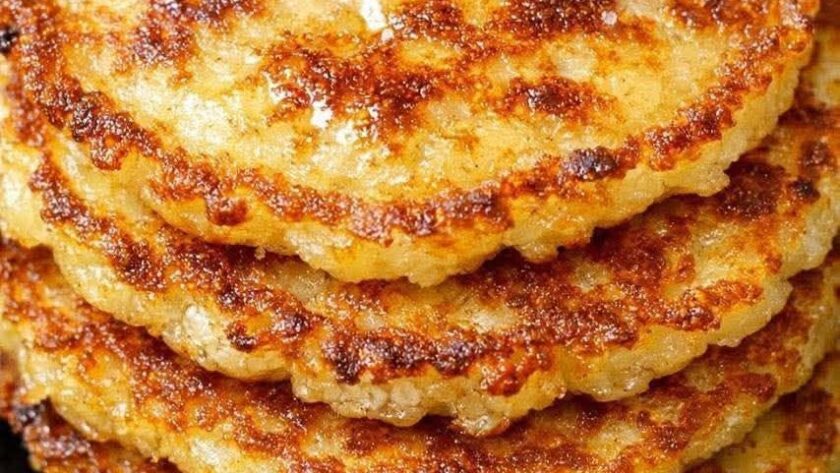
Southern Hoe Cakes are one of the oldest and most beloved traditional breads in Southern American cooking. Crispy on the outside, soft and tender on the inside, these pan-fried cornmeal cakes have been a staple on family tables for generations. Originally prepared by early settlers and field workers over open fires, hoe cakes earned their name from being cooked on the flat surface of a clean hoe blade placed over hot coals. Today they are made in a cast-iron skillet, creating a beautifully golden crust that pairs perfectly with everything from fried chicken and collard greens to honey, butter, maple syrup, or fresh preserves.
This recipe creates authentic Southern hoe cakes with a rich corn flavor, a delicate crumb, and irresistibly crisp edges. They are quick enough for breakfast yet hearty enough to accompany lunch or dinner. Whether you’re recreating a cherished family tradition or discovering Southern comfort food for the first time, these fried cornbread cakes deliver timeless flavor in every bite.
Preparation Time
Preparation Time: 10 minutes
Resting Time: 10 minutes
Cooking Time: 20 minutes
Total Time: Approximately 40 minutes
Servings: 8 to 10 hoe cakes
Difficulty Level: Easy
Ingredients
1½ cups yellow cornmeal
½ cup all-purpose flour
1 teaspoon baking powder
½ teaspoon baking soda
1 teaspoon salt
1 tablespoon granulated sugar (optional for a slightly sweeter flavor)
1 large egg
1¼ cups buttermilk
2 tablespoons melted butter
2 tablespoons bacon grease or vegetable oil for the batter (optional but recommended for extra richness)
Additional bacon grease, vegetable oil, or shortening for frying
Soft butter for serving
Honey, maple syrup, or cane syrup for serving if desired
Equipment Needed
Large mixing bowl
Medium whisk
Measuring cups and spoons
Large cast-iron skillet or heavy frying pan
Spatula
Paper towel-lined plate
Cooling rack (optional)
Preparing the Batter
Begin by placing the cornmeal into a large mixing bowl. Add the flour, baking powder, baking soda, salt, and sugar if using. Whisk the dry ingredients thoroughly until evenly combined.
In a separate bowl, whisk together the egg, buttermilk, melted butter, and bacon grease or oil until smooth.
Gradually pour the wet mixture into the dry ingredients while stirring gently. Mix only until everything is incorporated. The batter should be thick enough to hold its shape when spooned but still spread slightly in the skillet.
If the batter seems too thick, add a tablespoon or two of buttermilk. If it appears too thin, stir in a little extra cornmeal until the consistency is just right.
Allow the batter to rest for about 10 minutes. This resting period allows the cornmeal to absorb the liquid, producing softer interiors and more even cooking.
Heating the Skillet
Place a cast-iron skillet over medium heat.
Add enough bacon grease, vegetable oil, or shortening to lightly coat the bottom of the skillet.
Allow the fat to become hot but not smoking. A small drop of batter should gently sizzle immediately when it touches the pan.
Maintaining the correct temperature is one of the most important secrets to perfectly cooked hoe cakes. If the skillet is too cool, they absorb excess oil. If it’s too hot, the exterior burns before the inside cooks.
Frying the Hoe Cakes
Using a large spoon or small measuring cup, drop about one-quarter cup of batter into the hot skillet.
Gently flatten each portion slightly with the back of the spoon.
Leave enough space between the cakes for easy turning.
Cook for approximately 3 to 4 minutes on the first side.
As they cook, bubbles will begin appearing across the surface and the edges will become firm.
Carefully flip each cake using a wide spatula.
Cook another 2 to 4 minutes until the second side becomes deep golden brown.
The finished hoe cakes should have beautifully crisp edges with tender, fluffy centers.
Transfer to a paper towel-lined plate while continuing with the remaining batter.
Add more oil to the skillet whenever necessary.
How to Tell They Are Perfectly Cooked
The outside should be evenly golden brown with crisp edges.
The interior should remain moist and tender without being doughy.
The cakes should feel firm yet spring back gently when lightly pressed.
The aroma should be rich, buttery, and pleasantly toasted with the distinctive sweetness of cornmeal.
Serving Suggestions
Serve warm with softened butter melting over the top.
Drizzle generously with honey for a classic Southern breakfast.
Pair with maple syrup for a comforting morning meal.
Serve alongside fried chicken for a traditional Southern dinner.
Enjoy with barbecue, smoked meats, or grilled pork.
Use them instead of biscuits alongside beans and greens.
Top with sausage gravy for a hearty breakfast.
Serve with scrambled eggs and crispy bacon.
Pair with fried catfish and coleslaw.
Enjoy with homemade fruit preserves, peach jam, blackberry jam, or apple butter.
Serve beside hearty vegetable soup or chili for a filling meal.
Top with shredded cheese and sliced jalapeños for a savory variation.
Optional Flavor Variations
Add finely chopped green onions for extra freshness.
Mix in shredded sharp cheddar cheese for richness.
Stir in diced jalapeños for gentle heat.
Add cooked crumbled bacon for smoky flavor.
Include finely chopped fresh parsley or chives.
Mix in roasted corn kernels for extra texture.
Season with smoked paprika for subtle depth.
Add cracked black pepper for a slightly bolder flavor.
Use white cornmeal instead of yellow for a more traditional Southern variation.
Substitute part of the buttermilk with heavy cream for an even richer batter.
Expert Tips
Use stone-ground cornmeal whenever possible for superior flavor and texture.
A cast-iron skillet creates the crispiest crust and most even browning.
Do not overmix the batter, as this can make the cakes dense.
Always allow the batter to rest before frying.
Cook over medium heat instead of high heat.
Avoid overcrowding the skillet.
Flip only once for the best crust.
Serve immediately while still warm and crisp.
Storage
Allow the hoe cakes to cool completely before storing.
Place them in an airtight container.
Refrigerate for up to 4 days.
Separate layers with parchment paper to prevent sticking.
Freezing Instructions
Arrange cooled hoe cakes in a single layer on a baking sheet until frozen.
Transfer them to freezer-safe bags or containers.
Freeze for up to 3 months.
Label with the preparation date for easy reference.
Reheating
Warm in a skillet over medium-low heat until crisp again.
Reheat in a 350°F (175°C) oven for about 8 to 10 minutes.
An air fryer at 350°F (175°C) for 3 to 5 minutes also restores their crisp texture.
Avoid microwaving if possible, as it softens the crust.
Common Mistakes to Avoid
Using batter that is too thin.
Cooking over excessively high heat.
Turning the cakes too early.
Overcrowding the skillet.
Skipping the batter resting time.
Using too much oil.
Overmixing the batter.
Cooking until overly dark, which creates bitterness.
Nutritional Information (Approximate Per Serving)
Calories: 190
Protein: 5 grams
Carbohydrates: 24 grams
Fat: 8 grams
Saturated Fat: 2 grams
Fiber: 2 grams
Sugar: 2 grams
Sodium: 360 milligrams
Frequently Asked Questions
Can I make hoe cakes without buttermilk?
Yes. Mix 1 tablespoon of lemon juice or white vinegar into 1¼ cups of milk and let it stand for 5 to 10 minutes before using as a substitute.
Can I use only cornmeal without flour?
Yes, but the cakes will be more delicate and crumbly. Adding a small amount of flour provides better structure while still allowing the cornmeal flavor to shine.
Can I prepare the batter ahead of time?
The batter can be refrigerated for several hours, but it is best cooked the same day for the freshest texture.
What is the best oil for frying?
Bacon grease gives the most authentic Southern flavor, but vegetable oil, canola oil, or shortening also work very well.
Can hoe cakes be made gluten-free?
Yes. Replace the all-purpose flour with a gluten-free flour blend and ensure all other ingredients are certified gluten-free.
Southern Hoe Cakes are a timeless comfort food that showcases the simple, satisfying flavors of traditional Southern cooking. Their crisp golden crust, tender cornmeal interior, and incredible versatility make them perfect for breakfast, lunch, dinner, or even as a snack. Whether served with butter and honey, paired with savory dishes, or enjoyed straight from the skillet, these fried cornbread cakes remain a cherished classic that brings warmth, history, and homemade goodness to every table.