 admin1
 Creamy Soft Scrambled Eggs Recipe
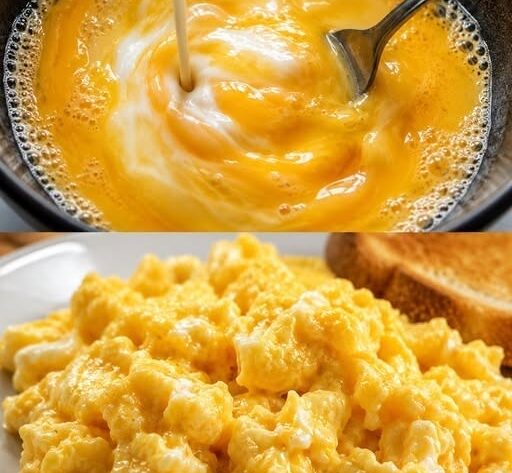
Creamy Soft Scrambled Eggs are one of the simplest yet most satisfying breakfast dishes. The secret to perfect soft scrambled eggs is patience, gentle heat, and constant slow stirring. Instead of cooking the eggs quickly over high heat, this method creates silky, creamy curds with a delicate texture that almost melts in your mouth.
These eggs are rich, buttery, and incredibly soft. They are perfect for breakfast, brunch, a quick lunch, or even a light dinner. They can be served on toast, alongside fresh vegetables, with roasted potatoes, or simply enjoyed on their own.
About This Recipe
Soft scrambled eggs are different from regular scrambled eggs because they are cooked slowly. The goal is not to create large, firm pieces of egg but small, tender curds that stay moist and creamy.
The texture should be smooth and slightly glossy. The eggs should look just set but still have a soft appearance because they continue cooking slightly after being removed from the heat.
The key ingredients are simple: fresh eggs, butter, a little seasoning, and gentle cooking. With the right technique, you can make restaurant-style creamy scrambled eggs at home.
Ingredients
6 large fresh eggs
2 tablespoons unsalted butter
2 tablespoons heavy cream, milk, or half-and-half (optional)
1/2 teaspoon salt, or adjust according to taste
1/4 teaspoon freshly ground black pepper
1 tablespoon chopped fresh chives or parsley (optional)
A small amount of grated cheese such as Parmesan, cheddar, or mozzarella (optional)
Choosing the Best Eggs
Fresh eggs make a noticeable difference in scrambled eggs. Fresh eggs have thicker whites and stronger yolks, which help create a richer and creamier texture.
Use eggs that are at room temperature if possible. Room-temperature eggs cook more evenly and help prevent the outside from becoming overcooked while the inside remains cold.
If using eggs directly from the refrigerator, you can place them in warm water for a few minutes before cooking.
Preparing the Eggs
Crack the eggs into a medium bowl. Check that no shell pieces fall into the bowl.
Add the salt and cream or milk if using. Whisk the eggs thoroughly until the yolks and whites are completely combined.
The mixture should become smooth and slightly lighter in color. Proper whisking helps create a more uniform texture and prevents separate layers of egg white and yolk.
Avoid over-whisking until the eggs become extremely foamy. A smooth, well-mixed egg mixture is enough.
Cooking Equipment
A good nonstick skillet is ideal for soft scrambled eggs because the eggs are less likely to stick and can be stirred easily.
Use a silicone spatula or wooden spoon for gentle stirring.
Choose a pan size that allows the eggs to spread slightly without becoming too thin. A medium-sized skillet works well for six eggs.
Step-by-Step Instructions
Melt the Butter
Place a nonstick skillet over low heat.
Add the butter and allow it to melt slowly. The butter should become completely melted but should not turn brown.
Keeping the heat low is important because high heat makes eggs tough and dry.
Add the Egg Mixture
Pour the beaten eggs into the skillet with the melted butter.
Allow the eggs to sit untouched for a few seconds until the edges begin to set slightly.
Do not increase the heat. Soft scrambled eggs require slow cooking.
Stir Slowly and Gently
Using a spatula, gently push the eggs from the edges toward the center of the pan.
Continue moving the eggs slowly around the skillet.
The eggs will begin forming small, soft curds. Keep stirring gently so they cook evenly.
Do not whisk the eggs aggressively while cooking. Slow folding motions create the creamy texture you want.
Control the Heat
If the eggs start cooking too quickly or look dry, remove the pan from the heat for a few seconds while continuing to stir.
The eggs should take several minutes to cook. Rushing the process will result in firm, rubbery eggs.
Low and slow cooking creates the smoothest texture.
Finish at the Right Moment
Remove the eggs from the heat when they look slightly undercooked.
They should appear creamy and soft because the remaining heat will continue cooking them for a short time.
Immediately transfer the eggs to a plate to prevent overcooking.
Add black pepper and fresh herbs if desired.
Tips for Extra Creamy Scrambled Eggs
Use low heat from start to finish. This is the most important step for achieving soft eggs.
Add butter at the beginning for richness and a smooth texture.
Do not cook until the eggs look completely dry. The best scrambled eggs are slightly moist.
Stir continuously but gently.
Season at the right time. Adding salt before cooking helps create a softer texture, while adding salt at the end gives a stronger seasoning effect.
Use a quality nonstick pan for easier cooking.
Serve immediately because scrambled eggs continue to firm up as they cool.
Common Mistakes to Avoid
Cooking eggs over high heat is the biggest mistake. High temperatures cause the proteins in eggs to tighten quickly, creating dry and rubbery eggs.
Leaving eggs untouched for too long can create large, uneven pieces.
Overcooking is another common problem. Eggs should be removed from heat while they still look slightly creamy.
Using too much liquid can make eggs watery instead of creamy. A small amount of cream or milk is enough.
Adding cheese too early can sometimes make the eggs heavier and prevent the soft texture from developing.
Creamy Cheese Soft Scrambled Eggs
For cheesy scrambled eggs, prepare the recipe as usual.
When the eggs are almost finished cooking, add a small handful of finely grated cheese.
Fold gently until the cheese melts into the eggs.
Parmesan adds a rich savory flavor, cheddar creates a classic cheesy taste, and mozzarella gives a mild creamy texture.
Garlic Herb Soft Scrambled Eggs
Melt butter with a small amount of finely minced garlic before adding the eggs.
Cook gently and finish with fresh herbs such as chives, parsley, or dill.
This version pairs beautifully with toasted bread.
Creamy Scrambled Eggs With Avocado Toast
Serve the soft scrambled eggs over warm toasted bread.
Top with sliced avocado, a sprinkle of salt, black pepper, and a little lemon juice.
The creamy eggs and buttery avocado create a balanced and filling breakfast.
Soft Scrambled Eggs With Vegetables
You can add cooked vegetables such as mushrooms, spinach, tomatoes, or bell peppers.
Cook the vegetables separately first so they do not release excess water into the eggs.
Fold the cooked vegetables into the eggs during the final minute of cooking.
Protein-Rich Breakfast Version
To make the meal more filling, serve these eggs with:
Whole grain toast
Greek yogurt
Fresh fruit
Roasted vegetables
Grilled chicken
Smoked salmon
These combinations create a balanced breakfast with protein, healthy fats, and nutrients.
Storage Instructions
Soft scrambled eggs are best eaten immediately because their texture changes when stored.
If you have leftovers, place them in an airtight container and refrigerate for up to one day.
Reheat gently over low heat or in short intervals in the microwave. Avoid overheating because the eggs can become dry.
Frequently Asked Questions
Why are my scrambled eggs not creamy?
Usually, the heat is too high or the eggs were cooked for too long. Lower heat and slower stirring create a creamy texture.
Should I add milk to scrambled eggs?
Milk is optional. Eggs can become very creamy without it. A small amount of cream or milk can add extra richness.
Can I make soft scrambled eggs without butter?
Yes. You can use olive oil, avocado oil, or cooking spray, but butter provides the richest flavor.
How do restaurants make scrambled eggs so creamy?
Many restaurants use low heat, constant stirring, butter, and sometimes cream or cheese to create a smooth texture.
Can I prepare the eggs ahead of time?
Soft scrambled eggs are best fresh, but they can be made slightly undercooked and gently reheated if needed.
Serving Ideas
Serve creamy soft scrambled eggs with:
Buttered toast
Croissants
Breakfast sandwiches
Fresh fruit
Hash browns
Roasted potatoes
Green salads
Sautéed vegetables
Smoked salmon
Fresh herbs
Nutrition Information
Approximate nutrition per serving depends on ingredients used.
Calories: 180 to 250
Protein: 12 to 15 grams
Fat: 14 to 20 grams
Carbohydrates: 1 to 4 grams
Adding cheese, cream, or additional toppings will increase calories and fat.
Final Tips for Perfect Soft Scrambled Eggs
The perfect soft scrambled eggs are all about gentle cooking. Use fresh eggs, cook slowly, stir patiently, and remove them from heat before they look fully finished.
A little extra care transforms simple eggs into a luxurious, creamy breakfast that feels special every time. Once you master this technique, you will be able to make smooth, tender scrambled eggs with a restaurant-quality texture whenever you want.


