 admin1
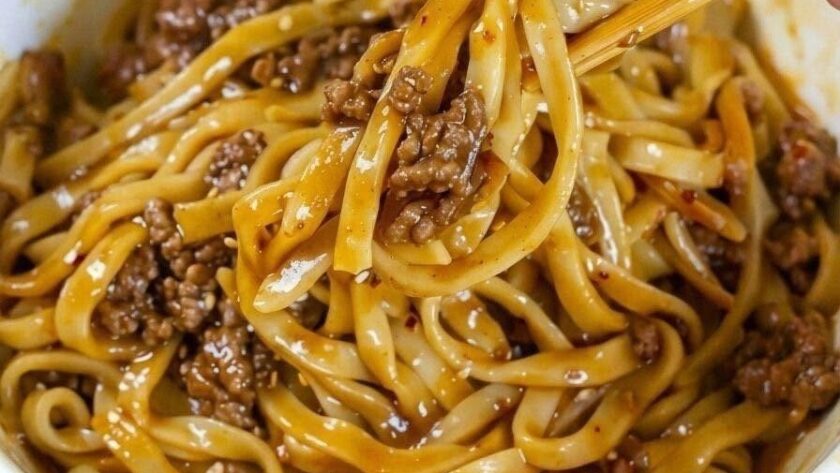
 Sticky Mongolian Beef Noodles
Sticky Mongolian Beef Noodles are a comforting, restaurant-style dish that combines tender slices of beef, chewy noodles, crisp vegetables, and a rich, glossy sauce with the perfect balance of sweet, savory, garlicky, and slightly spicy flavors. This recipe creates an incredibly satisfying meal that is ideal for busy weeknights yet impressive enough for entertaining guests. Every strand of noodle becomes coated in the delicious sauce while the beef remains juicy and flavorful. The recipe below provides detailed instructions to help you achieve consistently excellent results, even if this is your first time preparing Mongolian-style noodles.
Why You’ll Love This Recipe
This recipe comes together surprisingly quickly once the ingredients are prepared.
The sauce has an irresistible balance of soy sauce, brown sugar, garlic, ginger, and sesame oil.
Tender beef cooks in just a few minutes when sliced properly.
Fresh vegetables add color, texture, and nutrition.
Everything is cooked in one pan after boiling the noodles, making cleanup easy.
The recipe is highly customizable with different vegetables, proteins, and spice levels.
The leftovers taste just as delicious the next day.
Preparation Time
Preparation Time: 20 minutes
Cooking Time: 20 minutes
Total Time: 40 minutes
Servings: 4 to 6
Difficulty Level: Easy to Moderate
Ingredients
For the Beef
500 grams flank steak, sirloin steak, or ribeye
2 tablespoons cornstarch
1 tablespoon soy sauce
1 teaspoon sesame oil
1 teaspoon black pepper
1 tablespoon vegetable oil
For the Noodles
300 grams egg noodles, ramen noodles, udon noodles, or lo mein noodles
Water for boiling
1 teaspoon salt
Vegetables
1 large onion, sliced
1 large red bell pepper, thinly sliced
1 large green bell pepper, thinly sliced
1 cup shredded carrots
1 cup broccoli florets
4 spring onions, sliced
1 tablespoon minced garlic
1 tablespoon freshly grated ginger
For the Sticky Mongolian Sauce
½ cup low-sodium soy sauce
¼ cup water
⅓ cup brown sugar
2 tablespoons hoisin sauce
1 tablespoon oyster sauce
1 tablespoon sesame oil
1 tablespoon rice vinegar
1 tablespoon cornstarch
2 tablespoons cold water
1 teaspoon chili flakes
½ teaspoon freshly ground black pepper
Garnish
Sesame seeds
Sliced spring onions
Fresh cilantro if desired
Extra chili flakes for serving
Choosing the Best Beef
Flank steak is one of the best choices because it becomes wonderfully tender when sliced thinly against the grain.
Sirloin offers excellent flavor while remaining affordable.
Ribeye produces an especially juicy and rich result.
Always slice the meat into very thin strips. Partially freezing the beef for about twenty minutes before slicing makes this much easier.
Preparing the Beef
Place the sliced beef into a bowl.
Add soy sauce, sesame oil, black pepper, and cornstarch.
Mix until every slice is evenly coated.
Allow the beef to marinate for at least fifteen minutes. If you have extra time, thirty minutes produces even better flavor.
The cornstarch creates a delicate coating that seals in moisture and helps develop the glossy sauce later.
Preparing the Noodles
Bring a large pot of salted water to a boil.
Cook the noodles according to the package instructions until just tender.
Avoid overcooking because the noodles will continue cooking when added to the sauce.
Drain immediately.
Rinse briefly with warm water if needed to remove excess starch.
Toss lightly with a teaspoon of oil to prevent sticking.
Set aside.
Preparing the Sauce
In a medium bowl combine soy sauce, brown sugar, water, hoisin sauce, oyster sauce, sesame oil, rice vinegar, chili flakes, and black pepper.
Whisk until the sugar completely dissolves.
In another small bowl mix the cornstarch with two tablespoons of cold water.
This slurry will thicken the sauce into its signature sticky consistency.
Keep both mixtures nearby before cooking begins.
Cooking the Beef
Heat a large wok or heavy skillet over high heat.
Add vegetable oil.
Once the oil becomes very hot, add half of the beef.
Avoid overcrowding the pan.
Cook each side for about one minute until beautifully browned.
Remove the cooked beef.
Repeat with the remaining beef.
The beef should remain tender and juicy rather than fully cooked through at this stage.
Cooking the Vegetables
Using the same pan, reduce the heat slightly.
Add the onion.
Cook for two minutes until slightly softened.
Add the garlic and ginger.
Cook for one minute until fragrant.
Add broccoli.
Cook for three minutes.
Add carrots and bell peppers.
Continue cooking for another three to four minutes.
The vegetables should stay slightly crisp while becoming tender enough to blend beautifully with the noodles.
Making the Sticky Sauce
Pour the prepared sauce into the pan with the vegetables.
Bring it to a gentle simmer.
Slowly stir in the cornstarch slurry.
Continue stirring constantly.
Within one to two minutes the sauce will become thick, glossy, and beautifully sticky.
If it becomes too thick, add a splash of water.
If it remains too thin, simmer another minute.
Combining Everything
Return the cooked beef to the pan.
Stir gently until coated with sauce.
Add the cooked noodles.
Using tongs, gently toss everything together.
Every noodle should become evenly coated with the rich Mongolian sauce.
Cook for two to three more minutes.
Finally stir in most of the sliced spring onions.
Reserve some for garnish.
Serving Suggestions
Serve immediately while the noodles are hot.
Top generously with sesame seeds.
Sprinkle fresh spring onions over each serving.
Add extra chili flakes for additional heat.
Pair with steamed dumplings, crispy spring rolls, Asian cucumber salad, stir-fried green beans, or steamed edamame for a complete meal.
Tips for Perfect Sticky Mongolian Beef Noodles
Slice the beef very thinly against the grain for maximum tenderness.
Cook the beef over very high heat.
Do not overcrowd the pan.
Cook in batches if necessary.
Use freshly grated ginger instead of powdered ginger whenever possible.
Fresh garlic creates a much richer flavor than garlic powder.
Do not overcook the noodles.
Keep the vegetables slightly crisp to provide texture.
Taste the sauce before thickening and adjust sweetness or saltiness as needed.
Finish with sesame oil only at the end if you want an even stronger aroma.
Flavor Variations
Replace beef with chicken thighs for a lighter version.
Use shrimp for a seafood variation.
Try tofu for a vegetarian meal.
Add mushrooms for an earthy flavor.
Include snap peas for extra crunch.
Add baby corn or water chestnuts for additional texture.
Increase chili flakes for a spicier dish.
Add a drizzle of chili oil before serving.
Mix in cashews or roasted peanuts for extra crunch.
Use whole wheat noodles for a healthier alternative.
Storage
Allow leftovers to cool completely before storing.
Refrigerate in an airtight container for up to four days.
For longer storage, freeze for up to two months.
Thaw overnight in the refrigerator before reheating.
Reheating
Reheat in a skillet over medium heat.
Add a splash of water or beef broth to loosen the sauce.
Stir gently until heated through.
Microwave in short intervals, stirring between each interval to ensure even heating.
Nutritional Information
The values below are approximate and depend on the ingredients used.
Calories: 620 per serving
Protein: 34 grams
Carbohydrates: 58 grams
Fat: 27 grams
Fiber: 5 grams
Sugar: 18 grams
Sodium: 980 milligrams
Frequently Asked Questions
Can I prepare the sauce ahead of time?
Yes. The sauce can be mixed one or two days in advance and stored in the refrigerator. Stir well before using.
Can I use frozen vegetables?
Yes. Frozen broccoli, peppers, and mixed vegetables work well, although fresh vegetables provide better texture.
What noodles work best?
Lo mein noodles, fresh egg noodles, ramen noodles, udon noodles, and even spaghetti can all be used successfully.
How do I make it less sweet?
Reduce the brown sugar to one-quarter cup or replace part of it with additional soy sauce.
Can I make it gluten-free?
Yes. Use gluten-free noodles along with gluten-free soy sauce, oyster sauce alternatives, and hoisin sauce.
How do restaurants keep the beef so tender?
Thin slicing, marinating with cornstarch, cooking over high heat, and avoiding overcooking are the key techniques that produce exceptionally tender beef.
Sticky Mongolian Beef Noodles deliver everything you want in a comforting homemade meal: juicy beef, perfectly cooked noodles, colorful vegetables, and a luxuriously thick sauce that clings to every bite. The combination of sweet, savory, garlicky, and slightly spicy flavors creates a dish that rivals your favorite takeout while allowing you to control the ingredients and customize every element to your taste. Whether served as a family dinner or prepared for guests, this recipe is guaranteed to become a regular favorite thanks to its rich flavor, satisfying texture, and reliable results.